
How to Convert Living Room Into Bedroom: A Complete Step-by-Step Guide
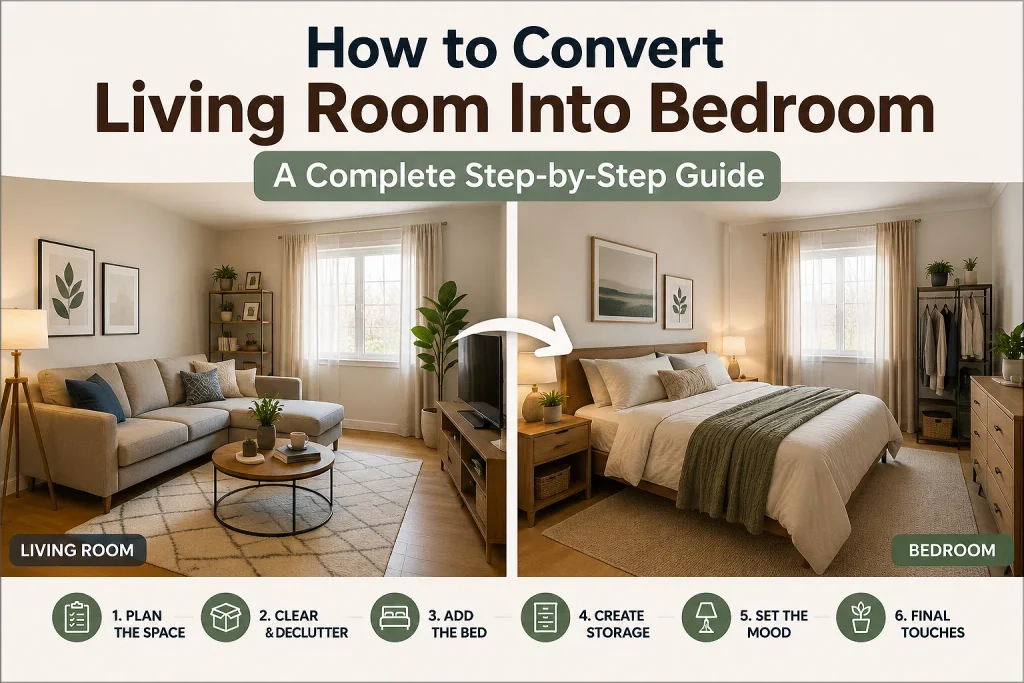
Whether you live in a studio apartment, need a guest room for a few weeks, or are making room for a family member, convert living room into bedroom can be both practical and attractive. The key is to create a genuine sleeping zone without making the rest of the room feel crowded. This guide walks you through the process from planning and permissions to privacy, lighting, storage, and the final styling details.
Before you begin, ask a basic question: can you convert a living room into a bedroom legally and safely? The answer depends on your lease, local rules, windows, exits, ventilation, and whether you plan permanent construction. A temporary furniture-based conversion is usually simpler than adding a wall, door, or electrical wiring. Check with your landlord, building manager, or local authority before making structural changes.
1. Decide What Your New Bedroom Must Provide
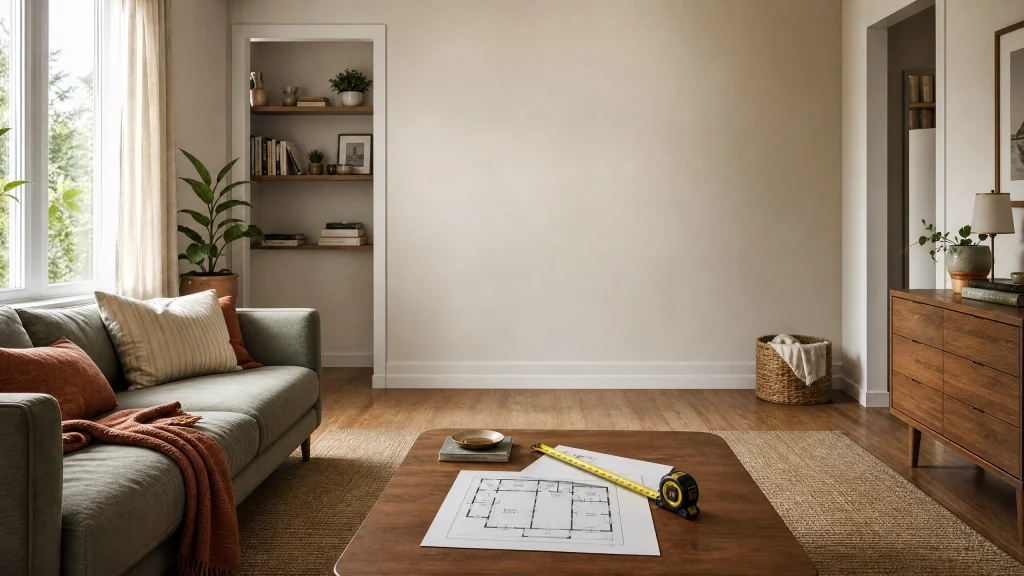
Start by defining the purpose of the room. Will someone sleep here every night, or is this a part-time guest room? Do you need a full-size bed, a crib, a workspace, or simply a comfortable bed in living room arrangement? Write down the non-negotiables: mattress size, privacy level, clothing storage, reading light, and access to a power outlet. This prevents attractive but impractical purchases.
2. Measure the Room and Map the Walking Path
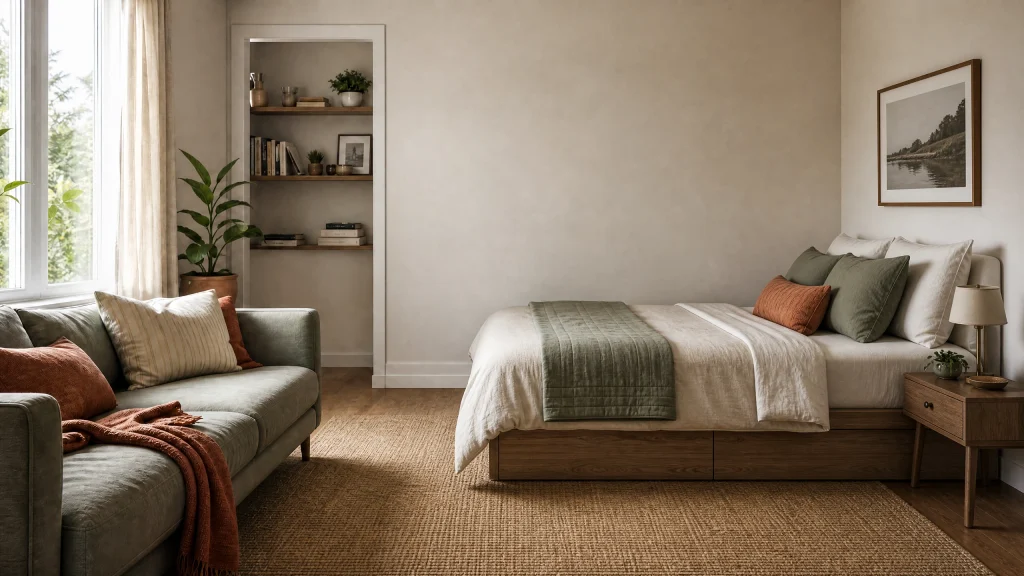
Measure wall lengths, window positions, doors, radiators, outlets, and the swing of every door. Mark the proposed bed footprint with painter’s tape or flattened cardboard, then walk around it at different times of day. Leave a comfortable route to the entrance, window, and storage. In a small room, placing the bed against the quietest solid wall often creates a calmer zone, while keeping the sofa closer to the entry preserves the living-room function.
3. Choose a Bed That Works Hard in a Small Space
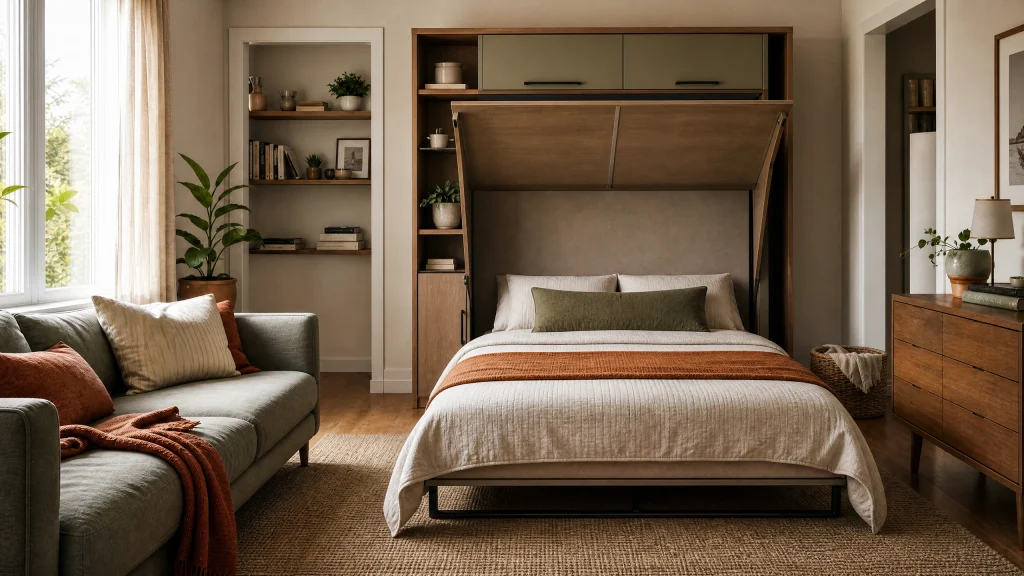
The right bed determines whether the conversion feels easy or frustrating. A standard platform bed gives the most bedroom-like comfort, but a sofa bed, daybed, trundle, or Murphy bed may be better when the room must serve two purposes. Prioritize a supportive mattress, simple bedding storage, and a frame that can be opened or reset without moving half the room. If you choose a wall bed, follow the manufacturer’s anchoring and clearance instructions carefully.
Amazon product hook — for the flexible-bed section: Browse MERITLINE Full Horizontal Murphy Bed with Sofa and Storage Shelves bed example on Amazon.
4. Create Privacy Without Building a Permanent Wall
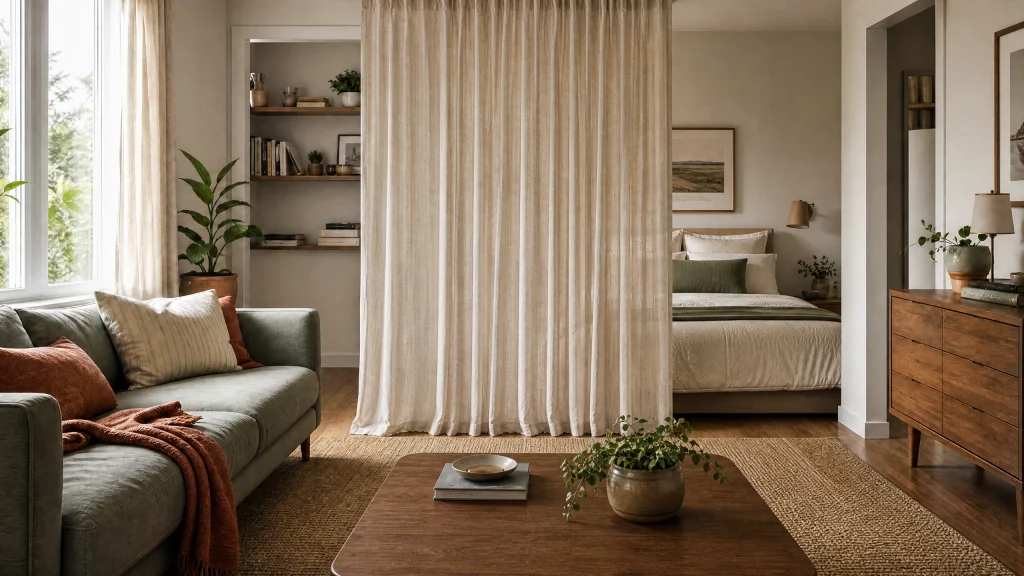
Privacy is what makes converting a formal living room into bedroom space feel complete. Floor-to-ceiling curtains, a folding screen, open shelving, or a strategically placed bookcase can separate the zones without blocking all light. For a rental, choose tension rods, freestanding dividers, or removable hardware and review these damage-free rental decorating ideas for no-drill approaches. Use a dense or blackout curtain at the bed side if the room is also used for entertaining.
Amazon product hook — for privacy: Compare blackout room-divider curtains such as this example on Amazon when you need both visual separation and darkness. Measure the width and ceiling height first; listing specifications vary.
5. Layer Lighting for Sleep, Reading, and Daily Life
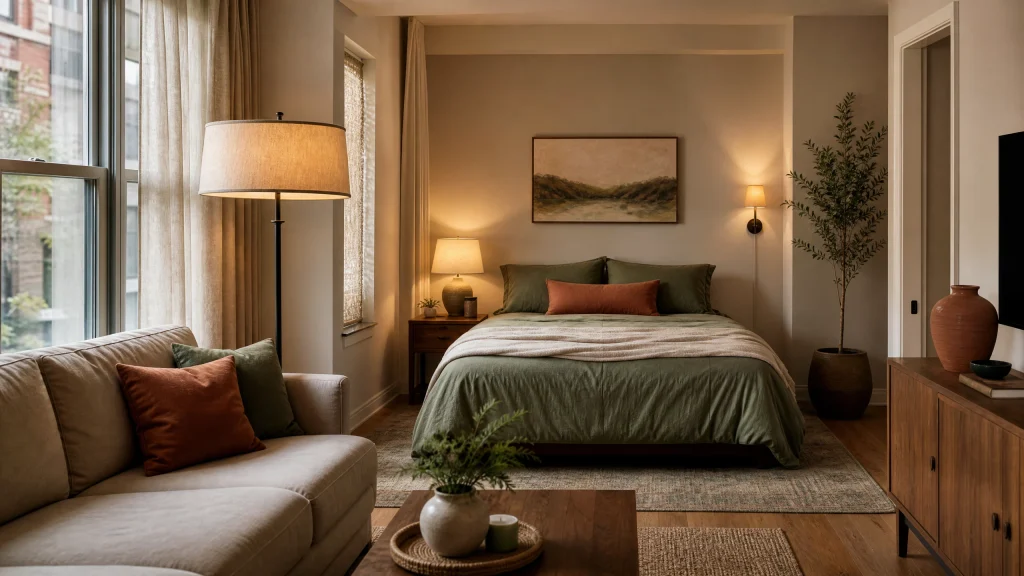
A bedroom needs softer lighting than a typical lounge. Combine a bedside lamp for reading, a floor or table lamp for the living zone, and a dimmable overhead fixture if available. Aim the brightest light toward work or storage areas, not the pillow. Warm bulbs and shaded fixtures make the sleeping area feel settled at night, while daylight from the window keeps the room functional during the day.
6. Add Storage Without Making the Room Feel Full
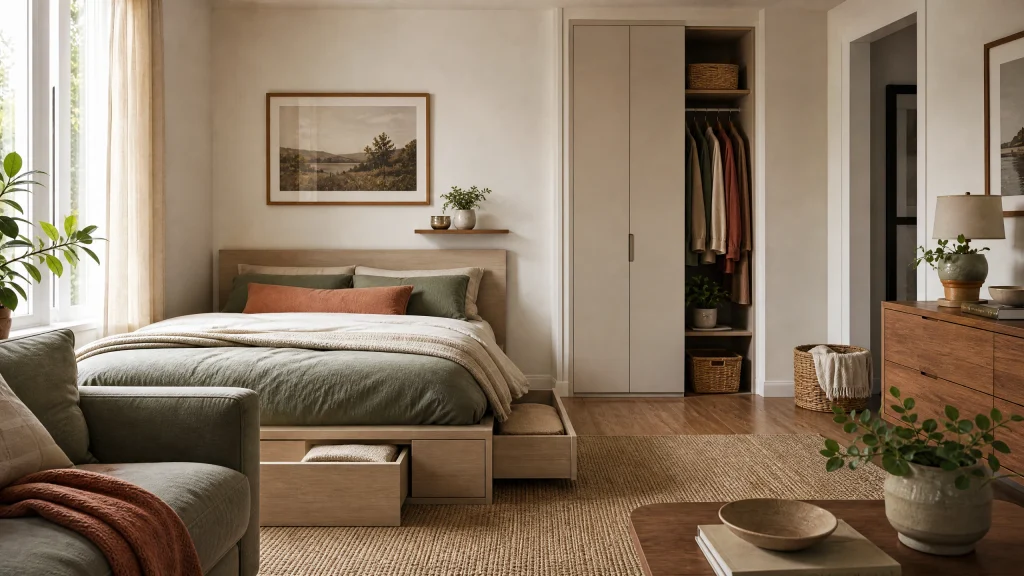
Storage is essential when a living room becomes someone’s bedroom. Use drawers under the bed, a narrow wardrobe, fabric boxes on shelving, and a lidded basket for blankets. Keep daily items close to the bed and seasonal items higher or farther away. Choose furniture with legs or a similar finish when possible; seeing some floor beneath pieces helps the room feel lighter. Avoid turning the nightstand into a catch-all—one small drawer or tray is usually enough.
7. Make the Sleeping Zone Comfortable and Quiet
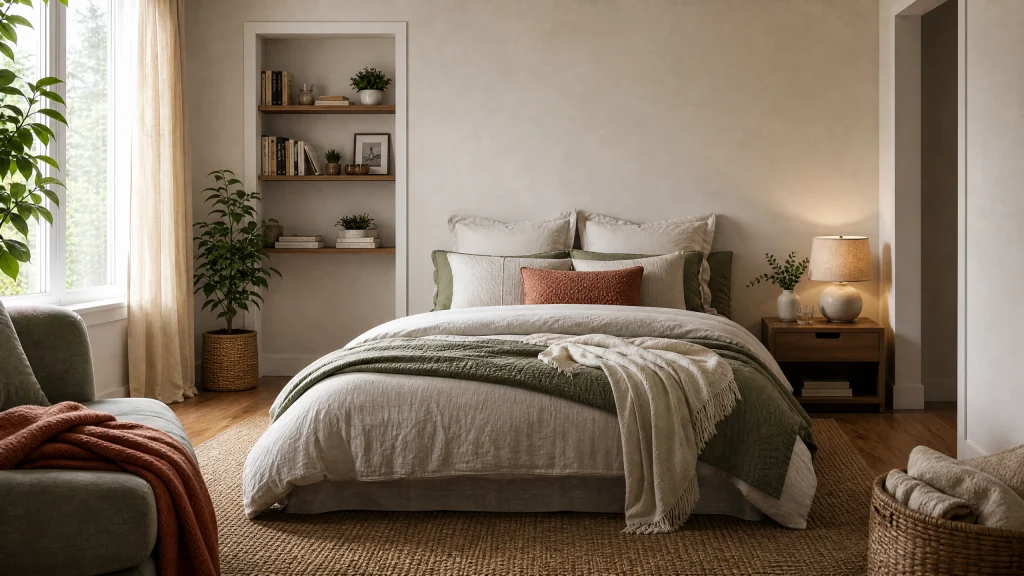
To make a converted room restful, invest first in the mattress, pillows, breathable bedding, and a washable rug. Keep the head of the bed away from noisy circulation if possible. Heavy curtains can help with light and drafts, while a small fan or quiet white-noise device may make shared-room sounds less distracting. Avoid placing a television directly opposite the bed if the room is meant to support a consistent sleep routine.
For affordable finishing ideas, see this guide to decorating your bedroom on a budget. Its emphasis on rearranging what you own, selecting one palette, and improving bedding and lighting works especially well here.
8. Use Renter-Friendly Finishes and Removable Decor
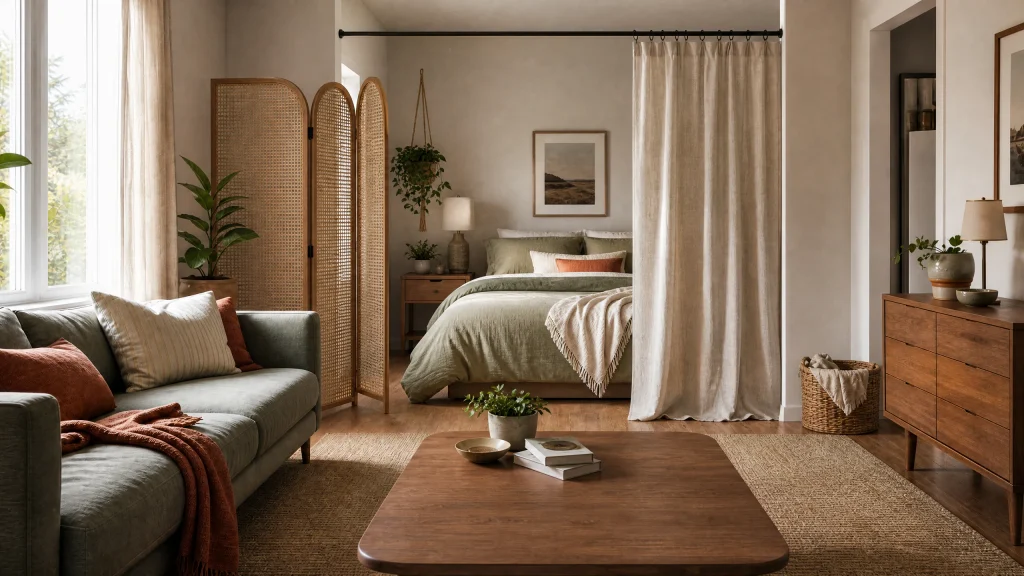
If you rent, focus on reversible changes: removable wallpaper on a small accent area, command-style picture hanging strips for lightweight art, tension curtains, and freestanding shelving. Test any adhesive on an inconspicuous surface and follow its weight limits. Do not drill, rewire, or attach a heavy cabinet to a wall without permission. A temporary conversion should be easy to remove when you move out.
9. Connect the Living Room and Bedroom Visually
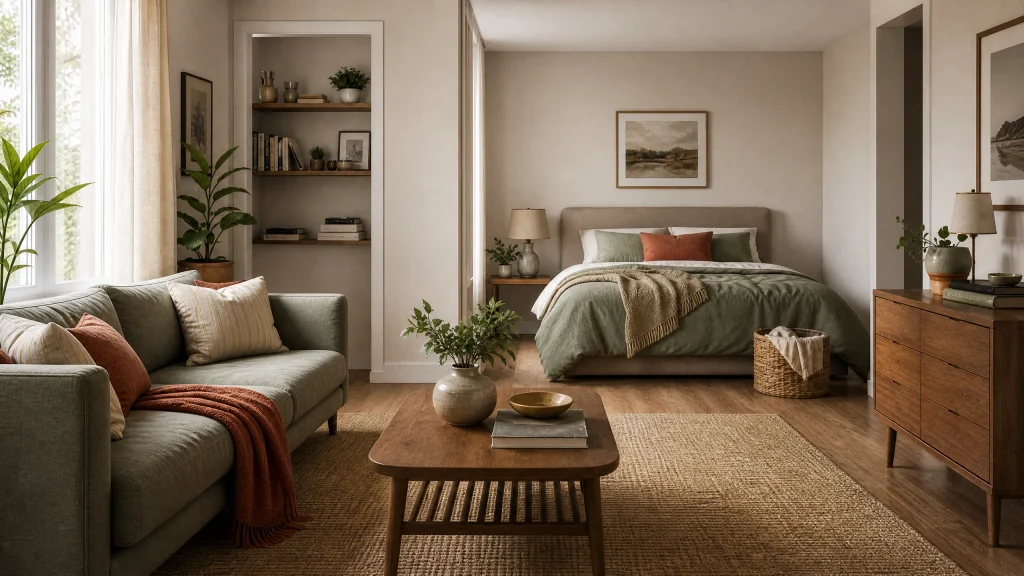
Good living room and bedroom ideas do not require matching every item. Instead, repeat two or three elements: the same wood tone, a shared accent color, or related textiles. Place a rug to define the lounge and another to soften the bed area, but keep patterns compatible. A console or dresser can act as a visual anchor between zones. For more inspiration, explore ideas for decorating a long wall when the room needs a stronger focal point.
10. Finish With a Simple Daily Reset System
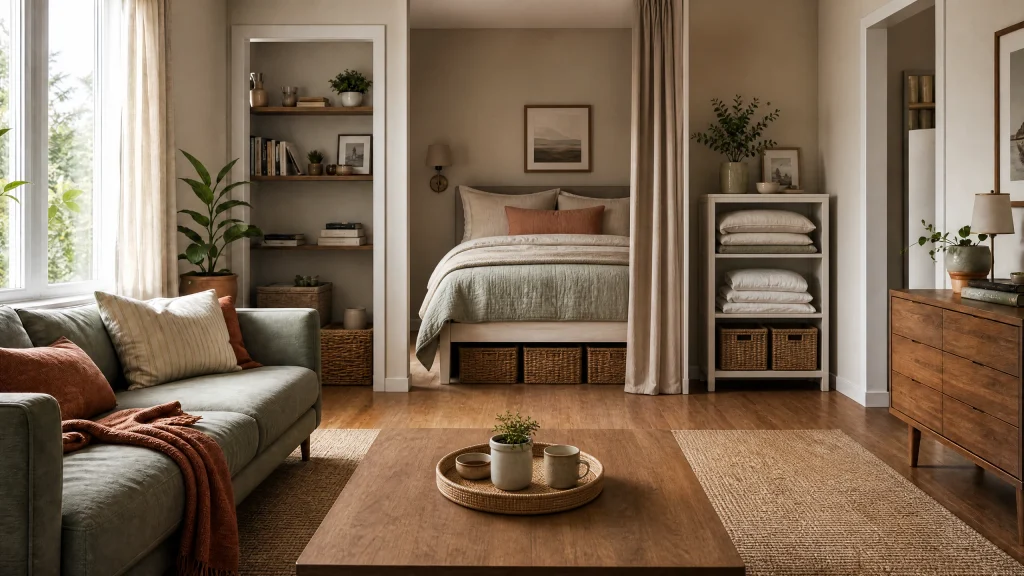
The final step is making the room easy to live in. Keep a basket for bedding, a lidded hamper for clothing, and a tray for small personal items. If the bed folds away, decide where pillows and blankets will go before the first night. If it stays open, use a coverlet that makes the bed look intentional during the day. Spend five minutes each morning restoring the sofa, clearing the coffee table, and opening the curtains. This small routine keeps the room from feeling like a bedroom and lounge piled into the same footprint.
Quick tips and tricks: Photograph the room before moving furniture so you can reverse the setup; use painter’s tape to test layouts; choose furniture with hidden storage; keep a clear path to every exit; use curtains wider than the opening for fuller coverage; and measure every product twice before ordering.
Frequently Asked Questions
Can I convert my living room into a bedroom?
Yes, many people can create a comfortable sleeping area with flexible furniture and a privacy divider. Whether it can be recognized as a legal bedroom is a separate question governed by local rules, lease terms, ventilation, windows, exits, and minimum dimensions.
What is the easiest way to convert living room into bedroom space?
The easiest temporary method is usually a quality sofa bed or daybed, a curtain or folding screen, layered lighting, and closed storage for bedding. This approach requires little construction and can be reset for daytime use.
What should I avoid?
Avoid blocking exits, covering heaters or vents, overloading extension cords, anchoring furniture without permission, and buying a bed before measuring the room. Comfort and safety should come before appearance.
Conclusion
Learning how to convert living room into bedroom space is mainly an exercise in zoning. Measure first, choose the right bed, create privacy, protect walking paths, layer light, and add storage that keeps daily clutter contained. With a consistent palette and a simple reset routine, even a small shared room can feel calm, private, and genuinely useful.