
25 Scandinavian Rooms That Perfectly Capture Nordic Style
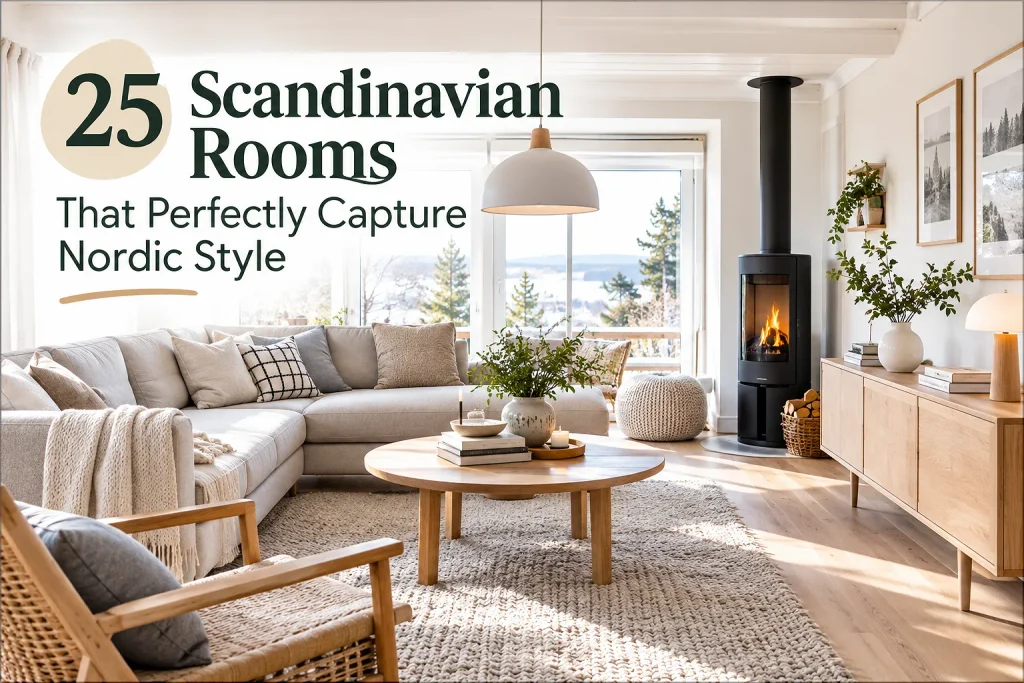
Scandinavian interiors are often reduced to white walls and minimal furniture, but the best Nordic Scandinavian rooms are more nuanced. They balance functionality, natural materials, daylight, and comfort. A pale room may feel airy, while a darker room can feel equally Scandinavian when its lighting and textures are intentional. The following ideas show how color, proportion, and everyday usability create a convincing Scandinavian Home without making it feel cold or unfinished.
For design context, Scandinavian design is widely associated with clean lines, practical beauty, and an emphasis on materials that feel honest and usable 1. Hygge is not a decorating formula; it is better understood as a feeling of comfort and togetherness that can inform an interior 2. Use these rooms as adaptable references rather than rigid rules.
1. Oatmeal, Pale Oak, and Muted Terracotta Hygge Room
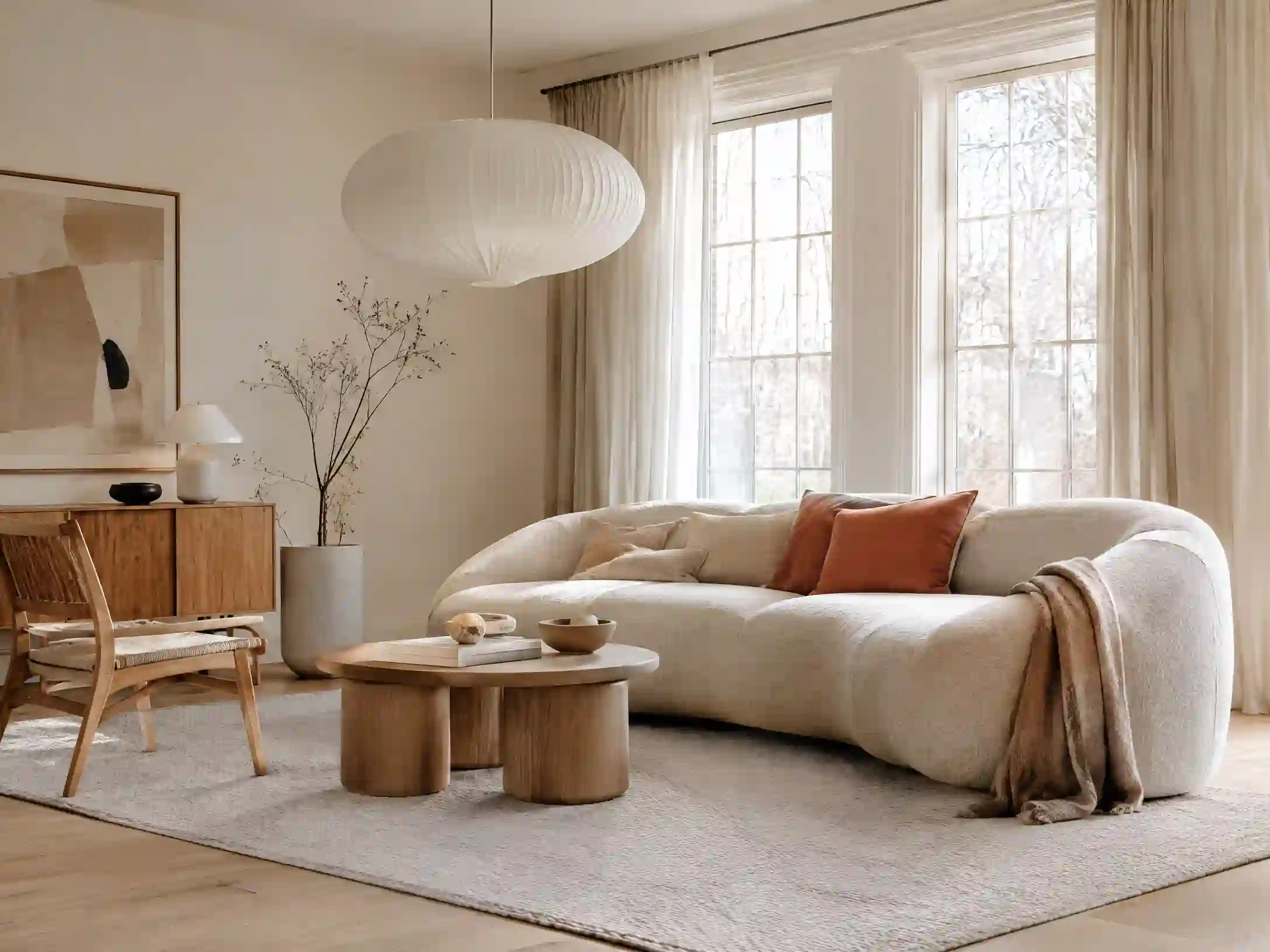
This Cozy Scandinavian Interior uses a warm oatmeal sofa, pale oak flooring, and small terracotta accents to avoid a washed-out look. Keep the furniture simple, then add comfort through wool, linen, and a soft layered rug. The result is a welcoming Hygge Living Room that still feels visually calm.
2. Fjord Blue, Warm White, and Cognac Modern Lounge
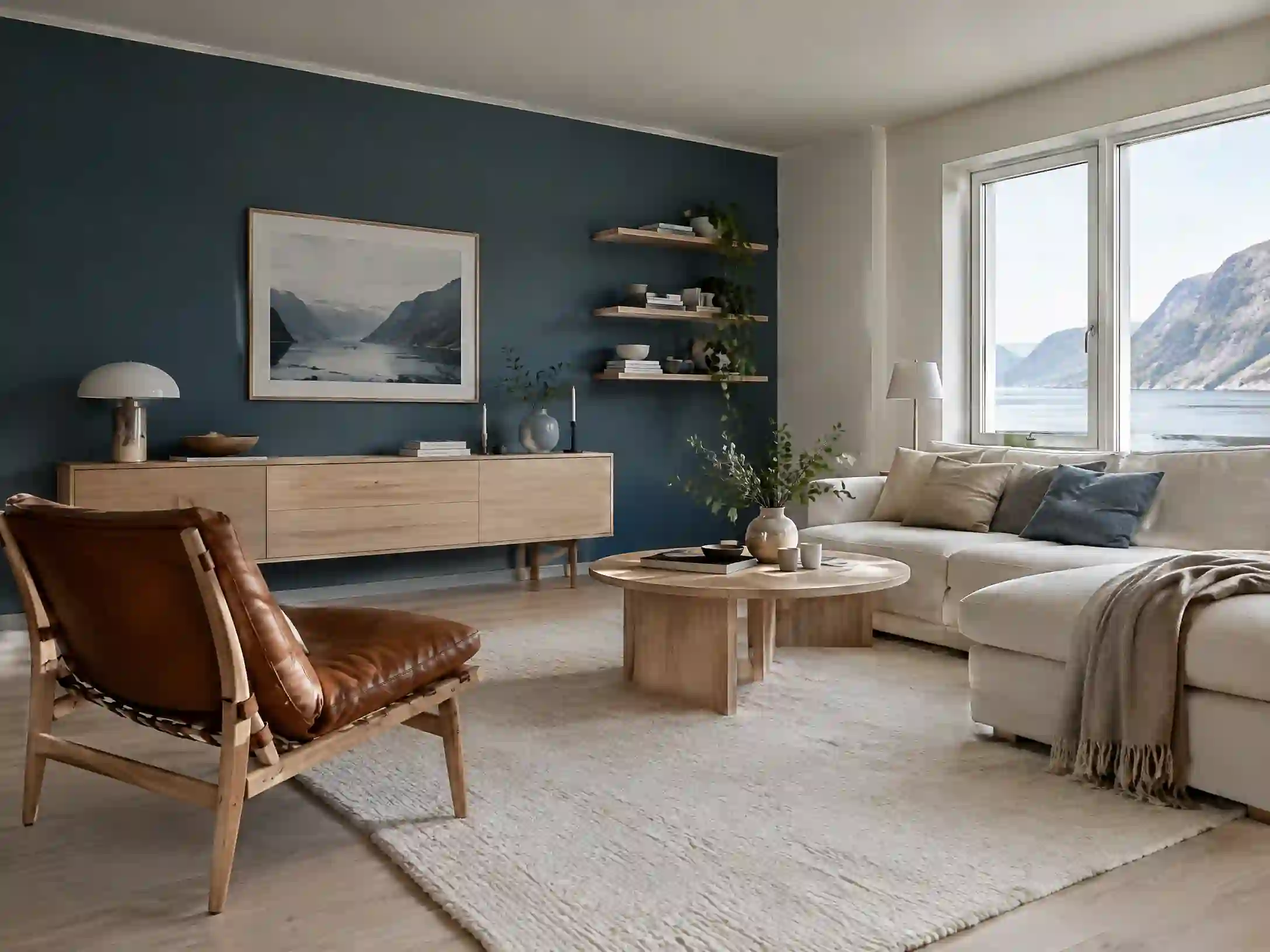
A fjord-blue wall gives this Modern Scandinavian Interior a clear focal point. Warm white balances the cooler color, while cognac leather adds depth and an earthy counterpoint. Repeat the blue in one cushion or artwork rather than spreading it across every surface.
3. Sage, Blonde Wood, and Soft Brass Dining Room
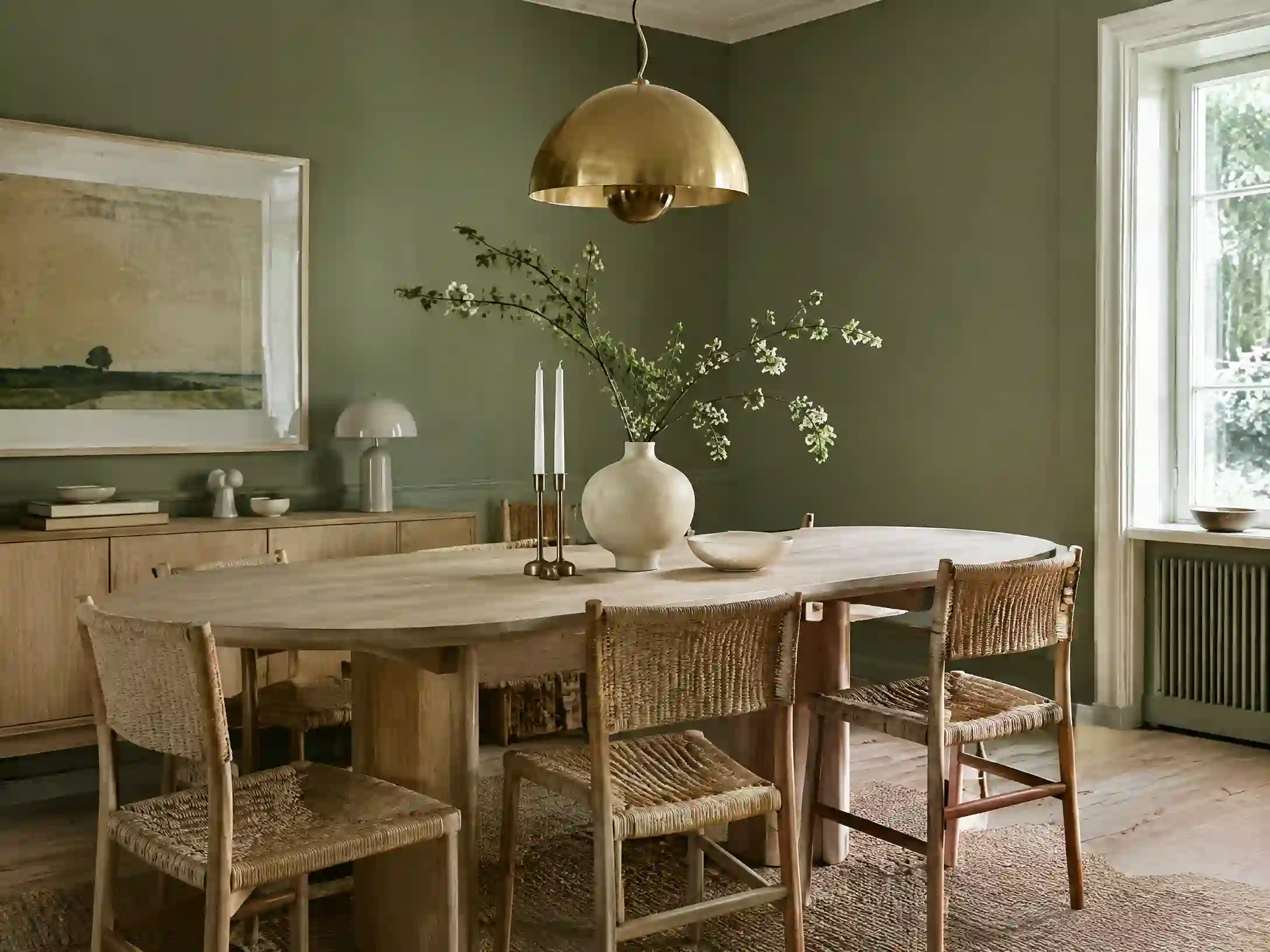
Sage green creates a gentle backdrop for a blonde-wood table and woven chairs. A soft brass pendant supplies a small reflective detail without disrupting the natural palette. This is an easy Scandinavian Dining Room formula because it supports conversation, clear circulation, and relaxed daily meals.
4. Charcoal Blue, White Oak, and Pale Stone Kitchen
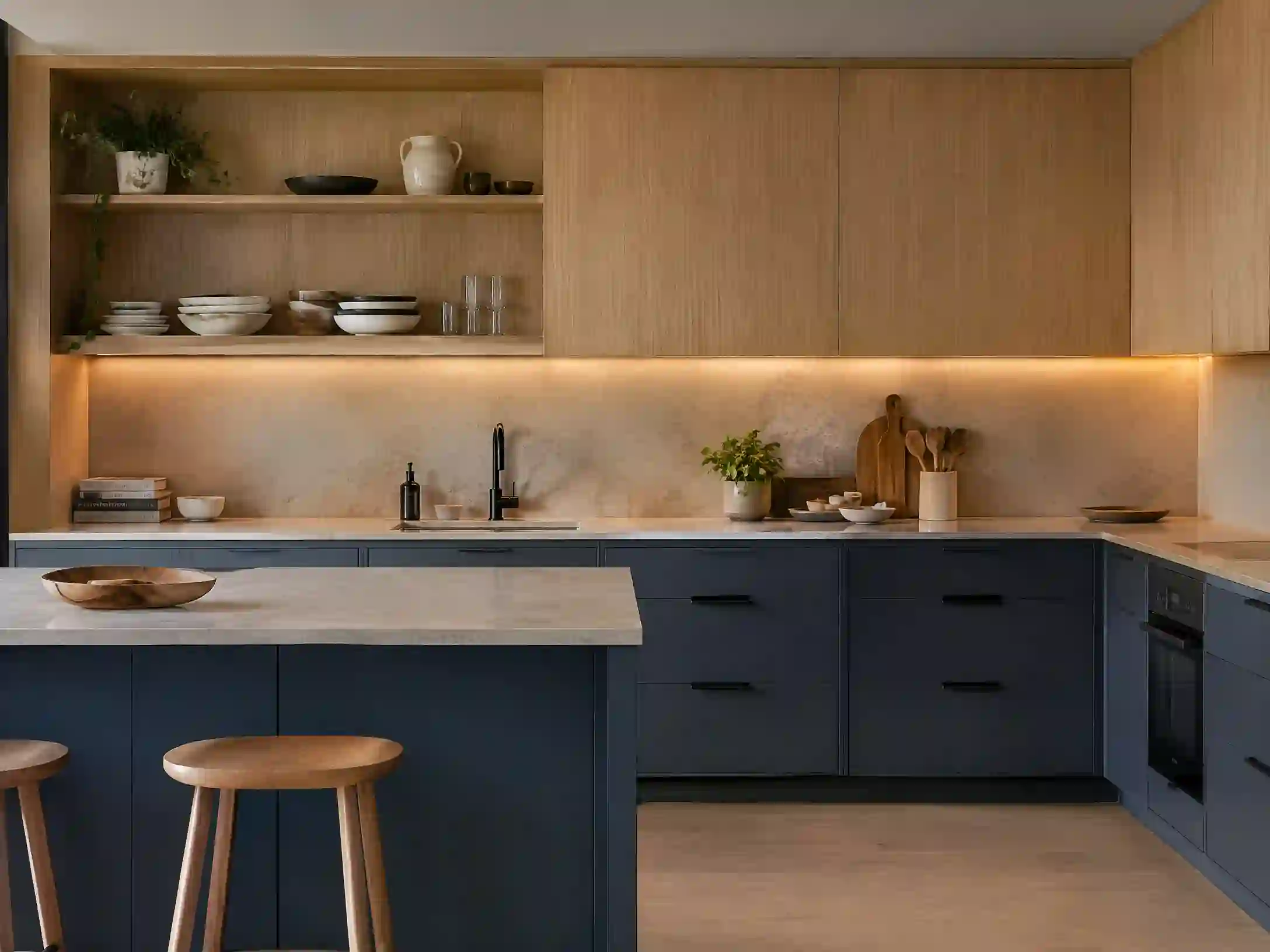
Charcoal-blue cabinetry adds definition to a light Scandinavian Kitchen. White oak shelving keeps the upper half open, while a pale stone counter protects the room’s brightness. Before choosing an island, measure walkways and seating clearances; practical planning matters as much as the cabinet color. For more guidance, see this guide to choosing the perfect kitchen table.
5. Dusty Blush, White Linen, and Birch Bedroom
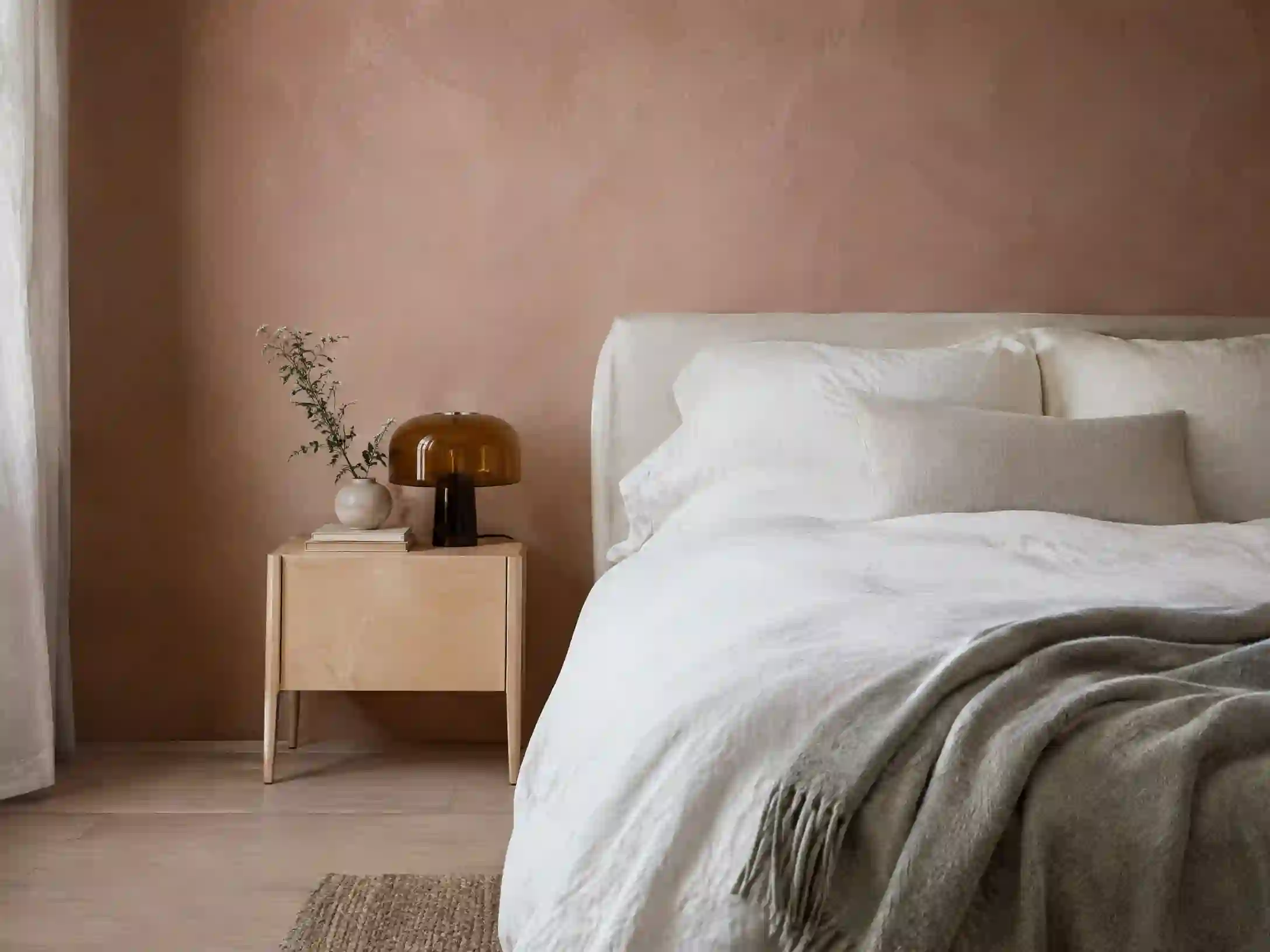
Dusty blush softens a white-linen bedroom without turning it sugary. Birch furniture keeps the look light, and an amber bedside lamp adds evening warmth. This Scandinavian Interior Design approach works especially well in bedrooms because the low-contrast palette encourages rest.
6. Sand, Chalk White, and Sea-Glass Blue Coastal Room
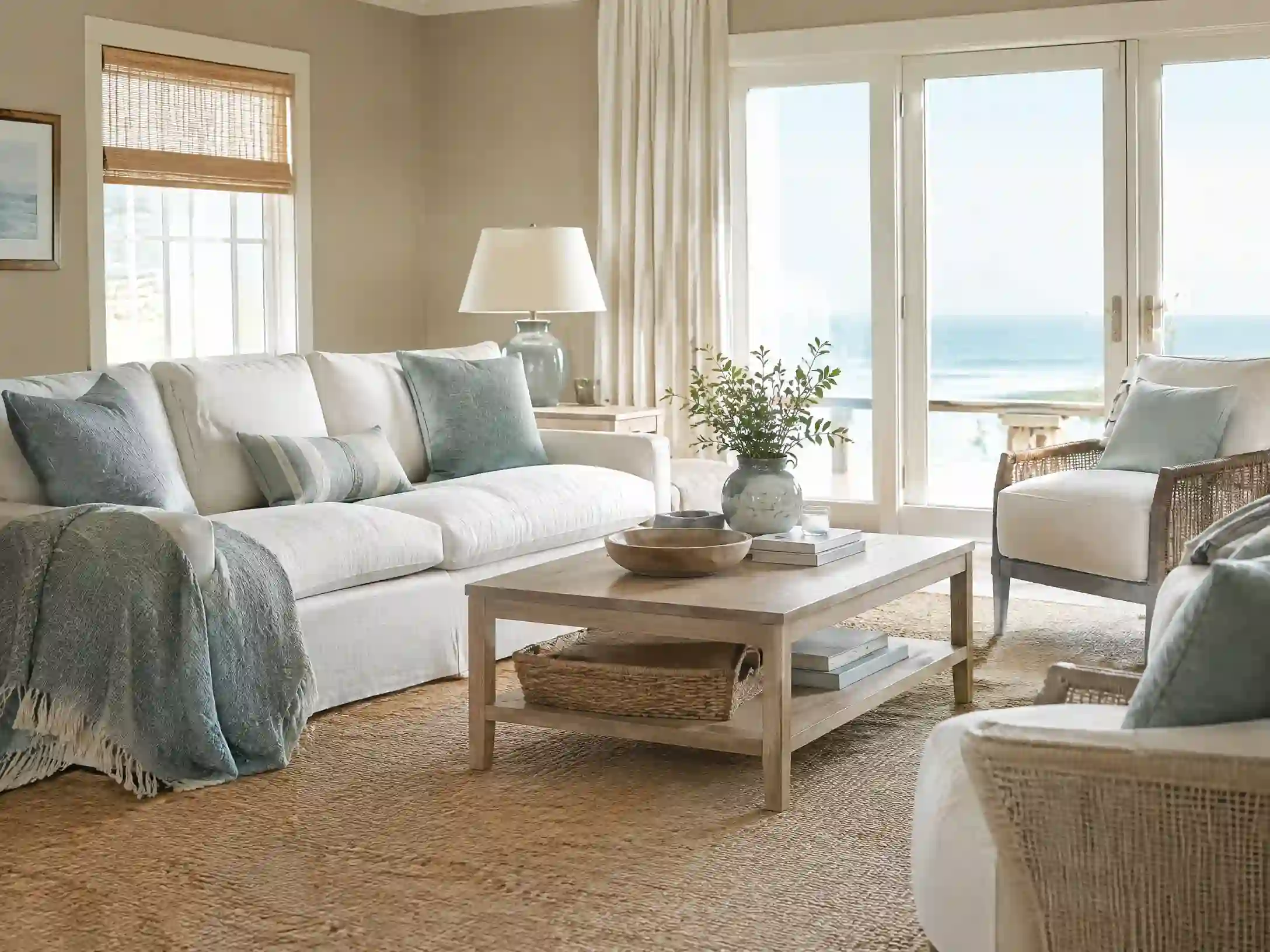
A sand-colored wall and chalk-white upholstery create the foundation for Scandinavian Coastal Interior Design. Sea-glass blue should appear in small, repeated accents so the room feels inspired by the coast rather than themed. Jute, linen, and bleached wood reinforce the natural connection.
7. Mustard, Cream, and Light Oak Reading Nook
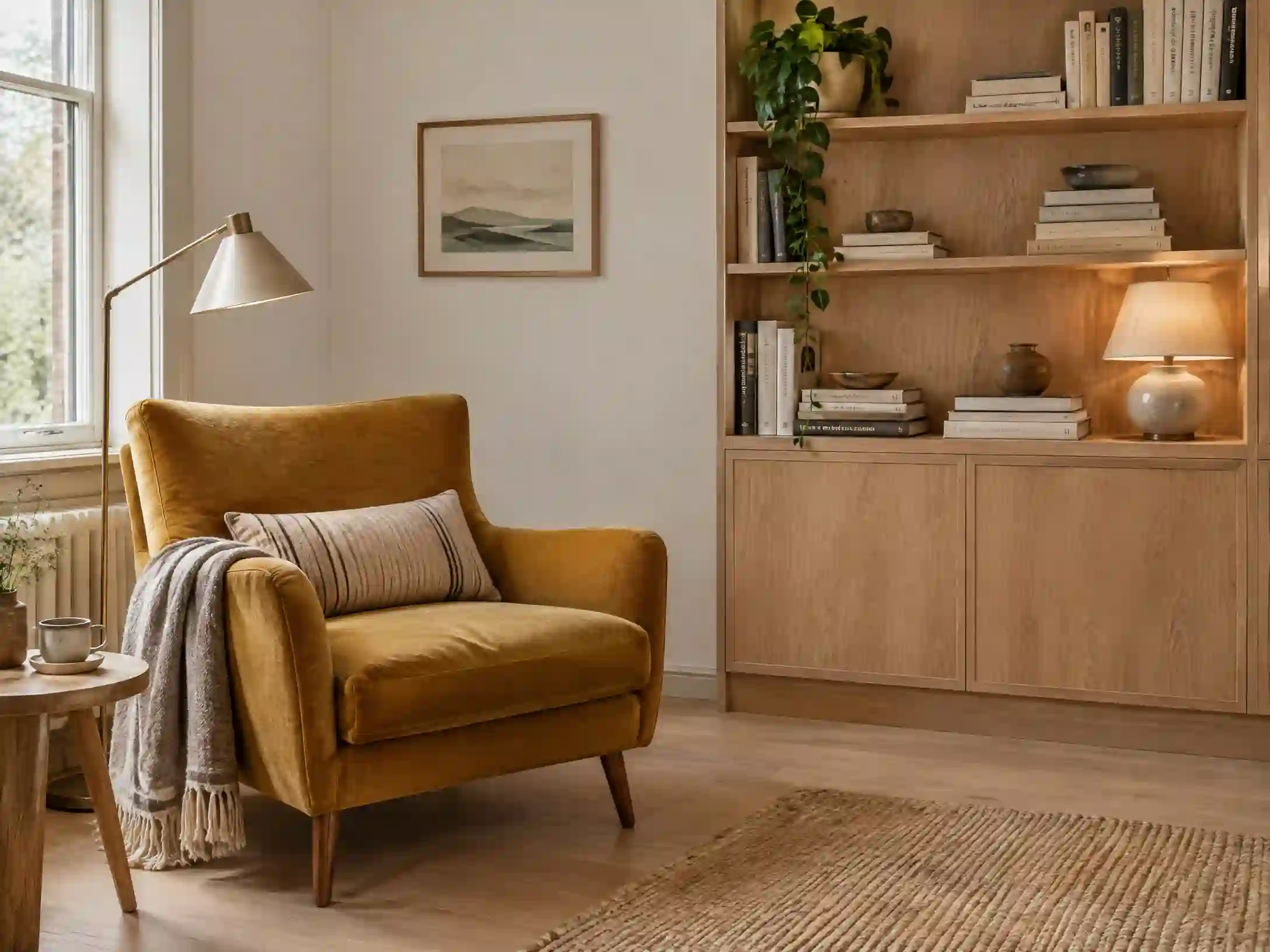
Mustard yellow brings energy to a compact reading nook while cream walls keep the composition balanced. Choose one comfortable chair, a directional lamp, and a shelf within reach. This is a useful example of Small Lounge Room Ideas that prioritizes a clear purpose over extra furniture.
8. Moss, Limewash, and Rustic Pine Cottage Lounge
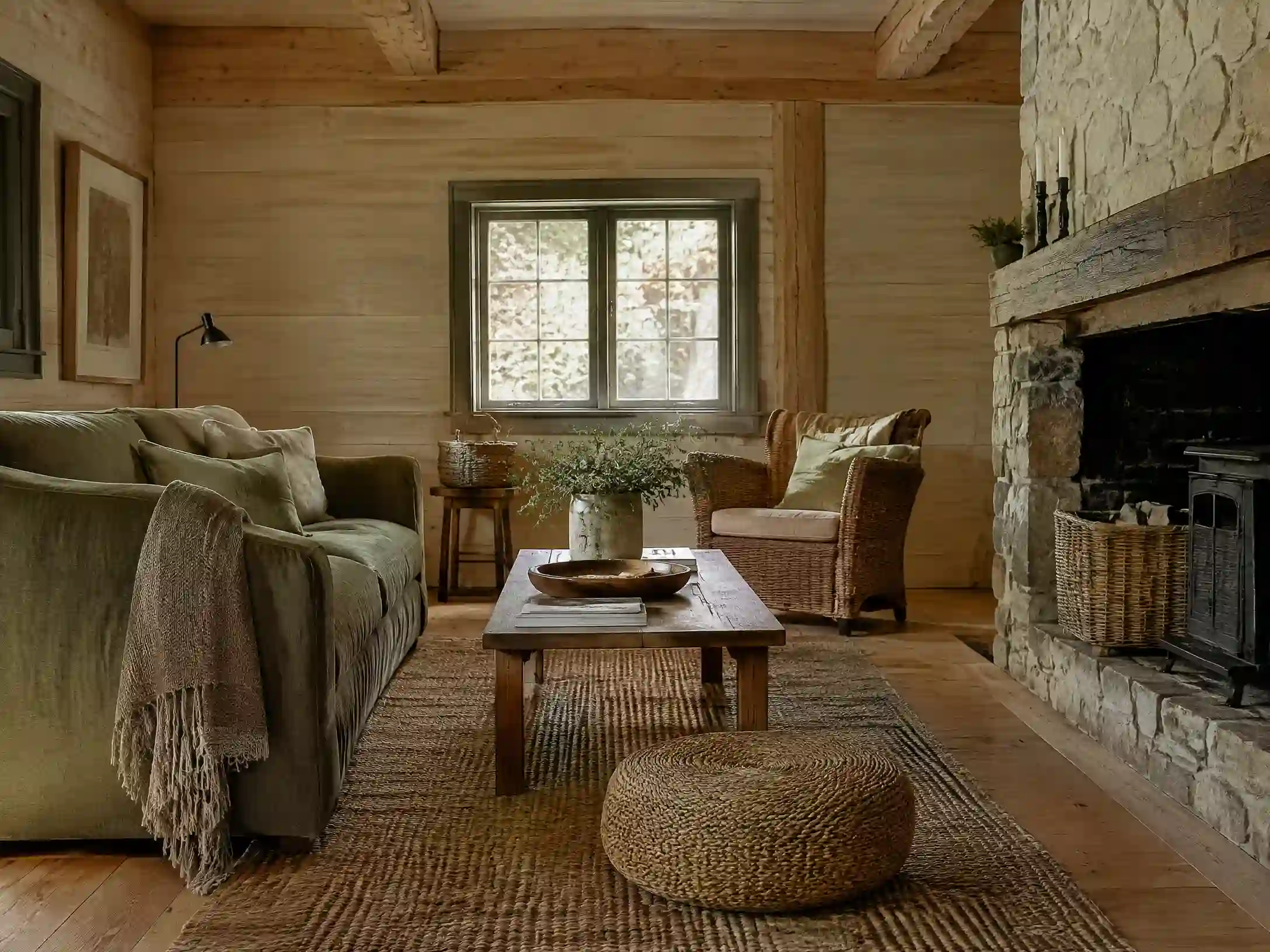
Moss green upholstery, limewashed walls, and rustic pine make this Scandinavian Cottage Interior feel connected to its setting. The palette suits a cottage because it is muted rather than overly polished. Baskets and wool textiles add storage and softness while preserving the room’s practical character.
9. White, Ink Black, and Natural Woven Entryway
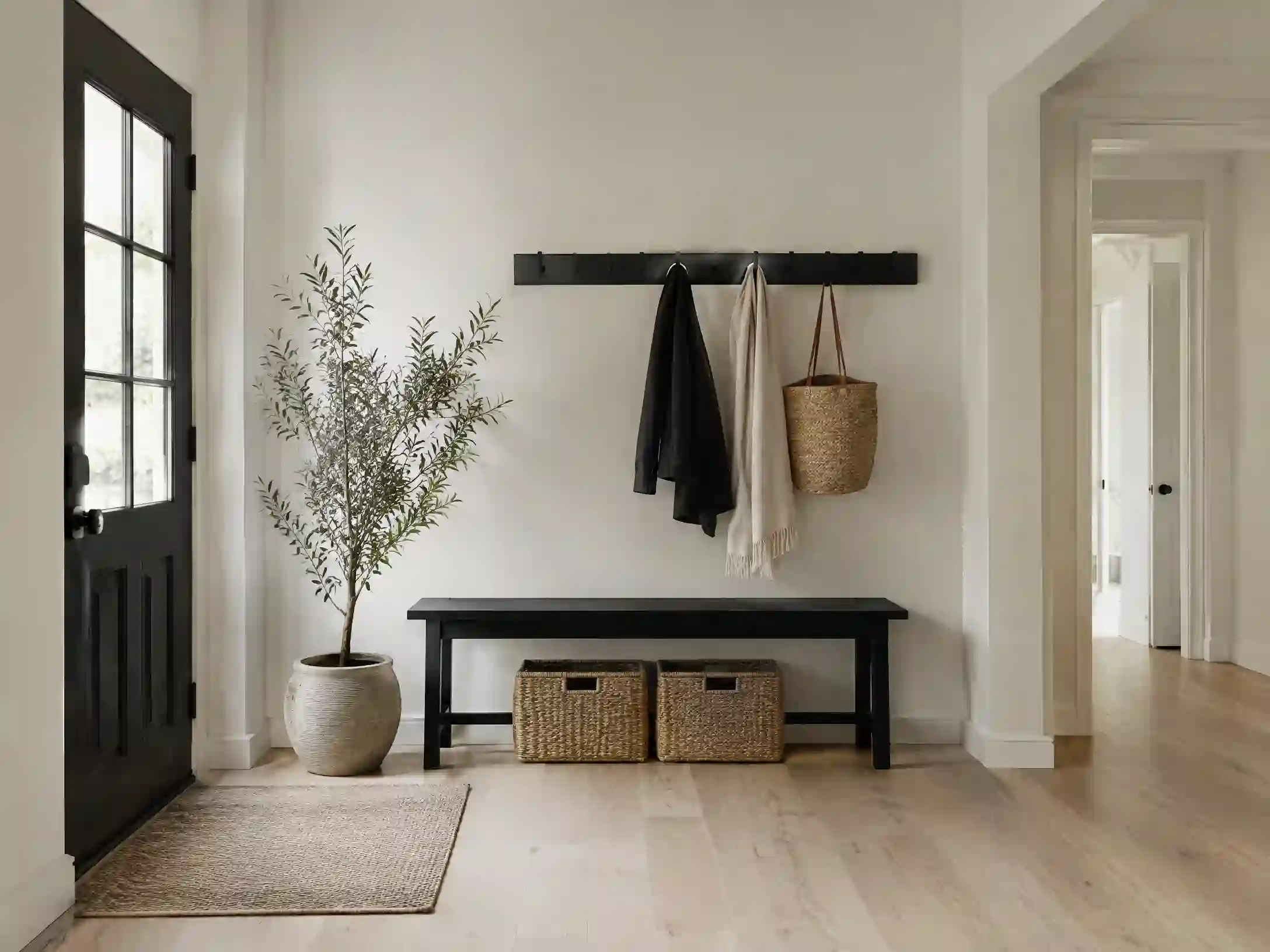
An ink-black peg rail gives a white entryway graphic structure. A pale bench and woven baskets make the scheme functional rather than purely decorative. In a real Scandinavian Entryway, reserve space for coats, shoes, and bags before adding styling objects. A half-wall treatment can also add character; compare these entryway half-wall paneling ideas.
10. Soft Lilac, White Oak, and Light Gray Home Office
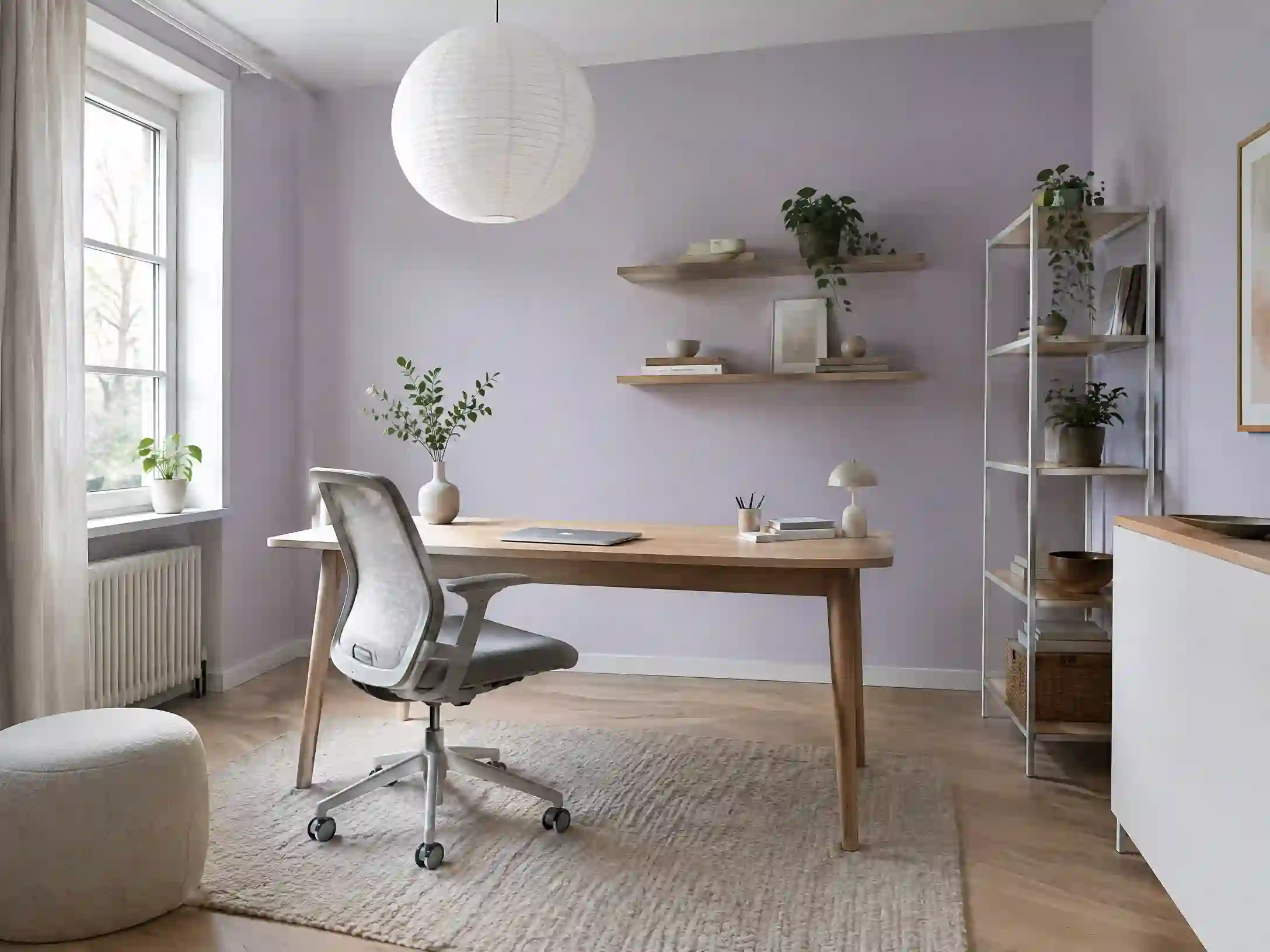
Soft lilac gives this office personality while white oak and light gray maintain a focused atmosphere. Place the desk where daylight falls from the side to reduce screen glare. The room also demonstrates why Nordic Interior Design is more than minimal styling: it supports the way the occupant works. Use this functional home office layout guide before buying furniture.
11. Olive, Oak, and Brushed Brass Scandinavian Bathroom
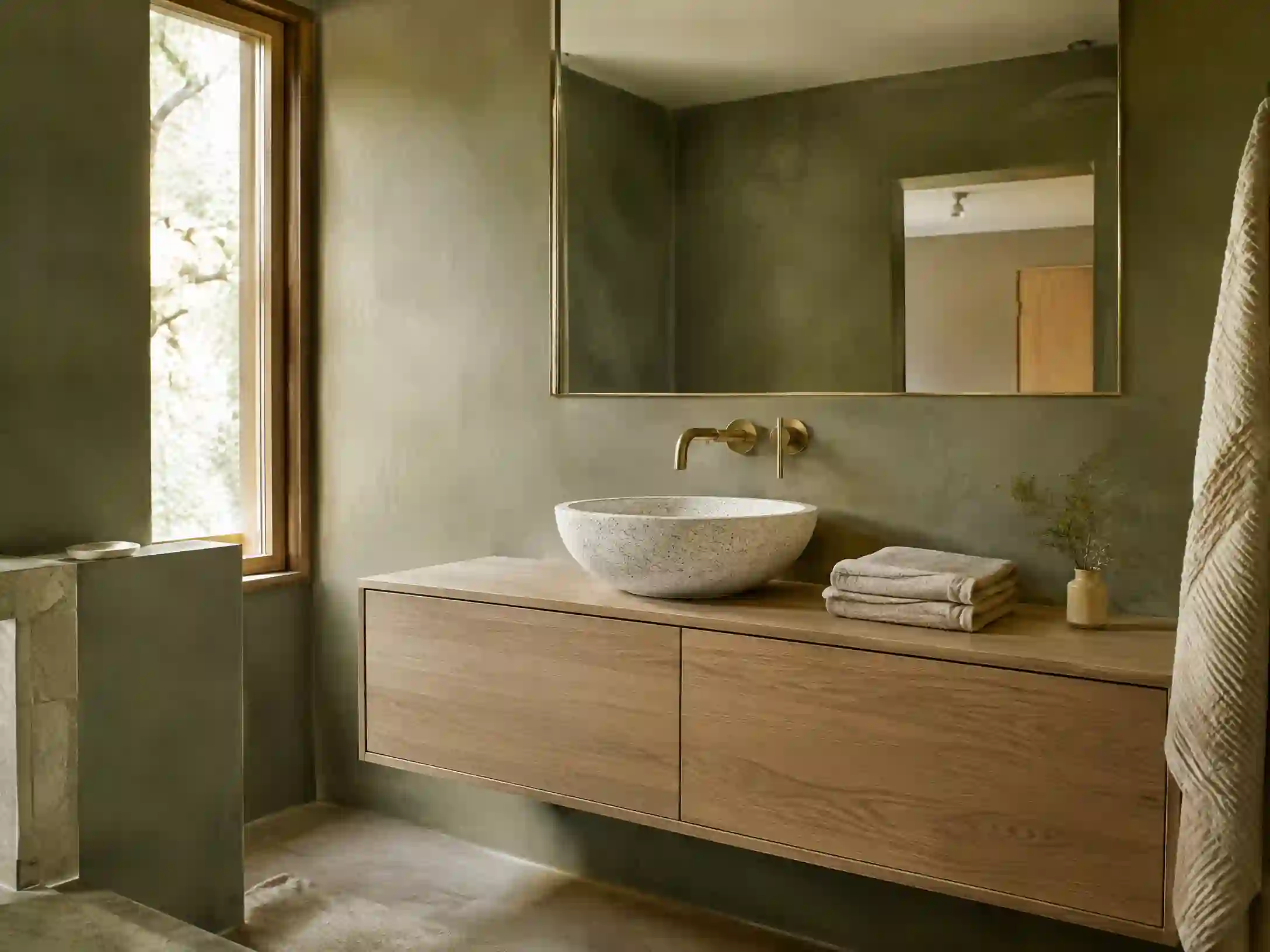
Olive walls make a bathroom feel grounded, while oak and brushed brass add warmth. Keep the accessories restrained and choose easy-to-clean surfaces near water. This Scandinavian Bathroom feels sophisticated because the organic color is balanced by simple geometry and generous negative space.
12. Terracotta, Ivory, and Honey Wood Dining Space
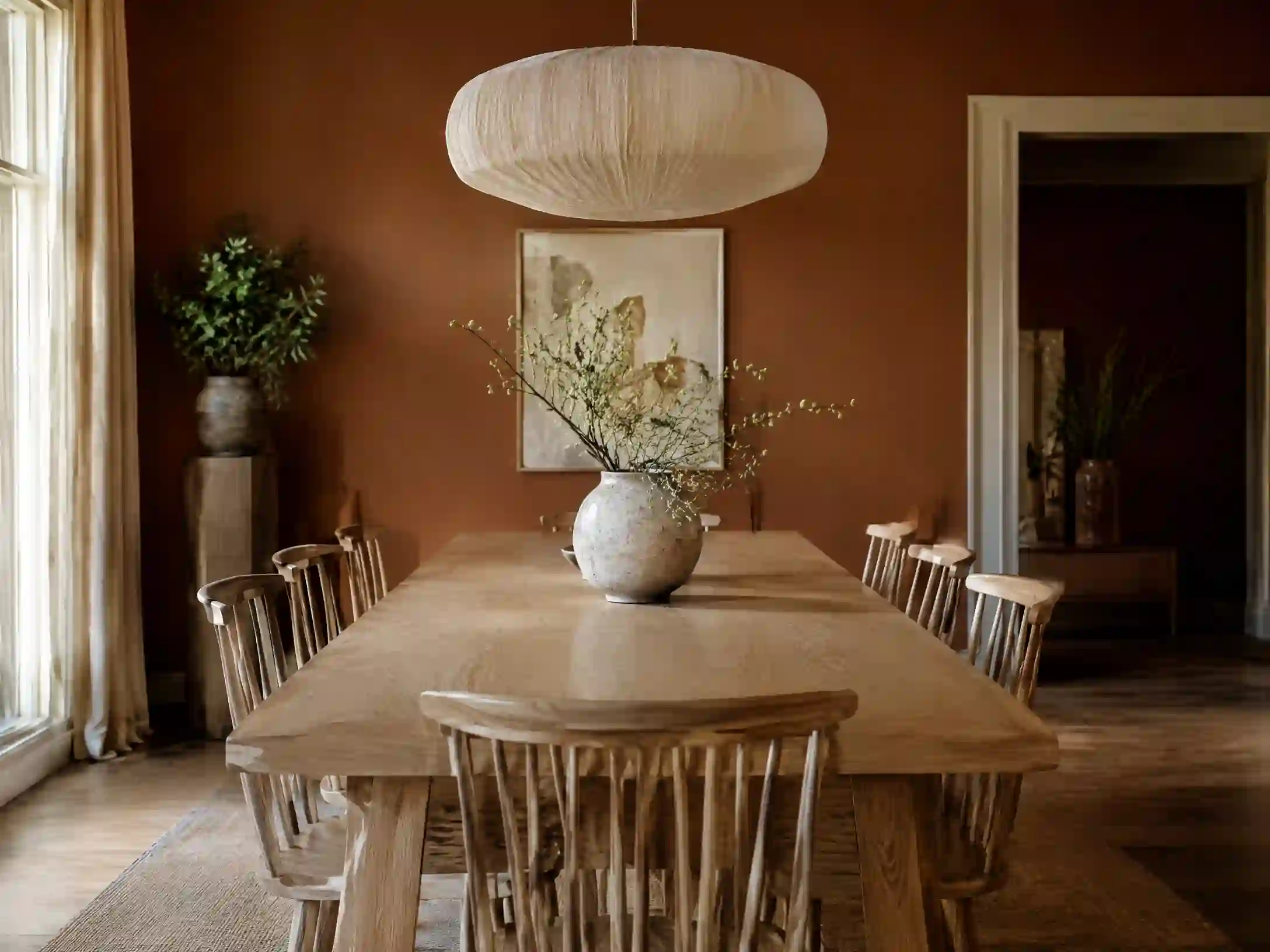
Terracotta gives an ivory dining room a stronger sense of place. Honey-toned wood echoes the wall’s warmth, while a handmade ceramic centerpiece adds a tactile detail. If you want to recreate this look economically, paint one wall and upgrade the lighting before replacing the table.
13. Navy, Cream, and Rust Layered Lounge
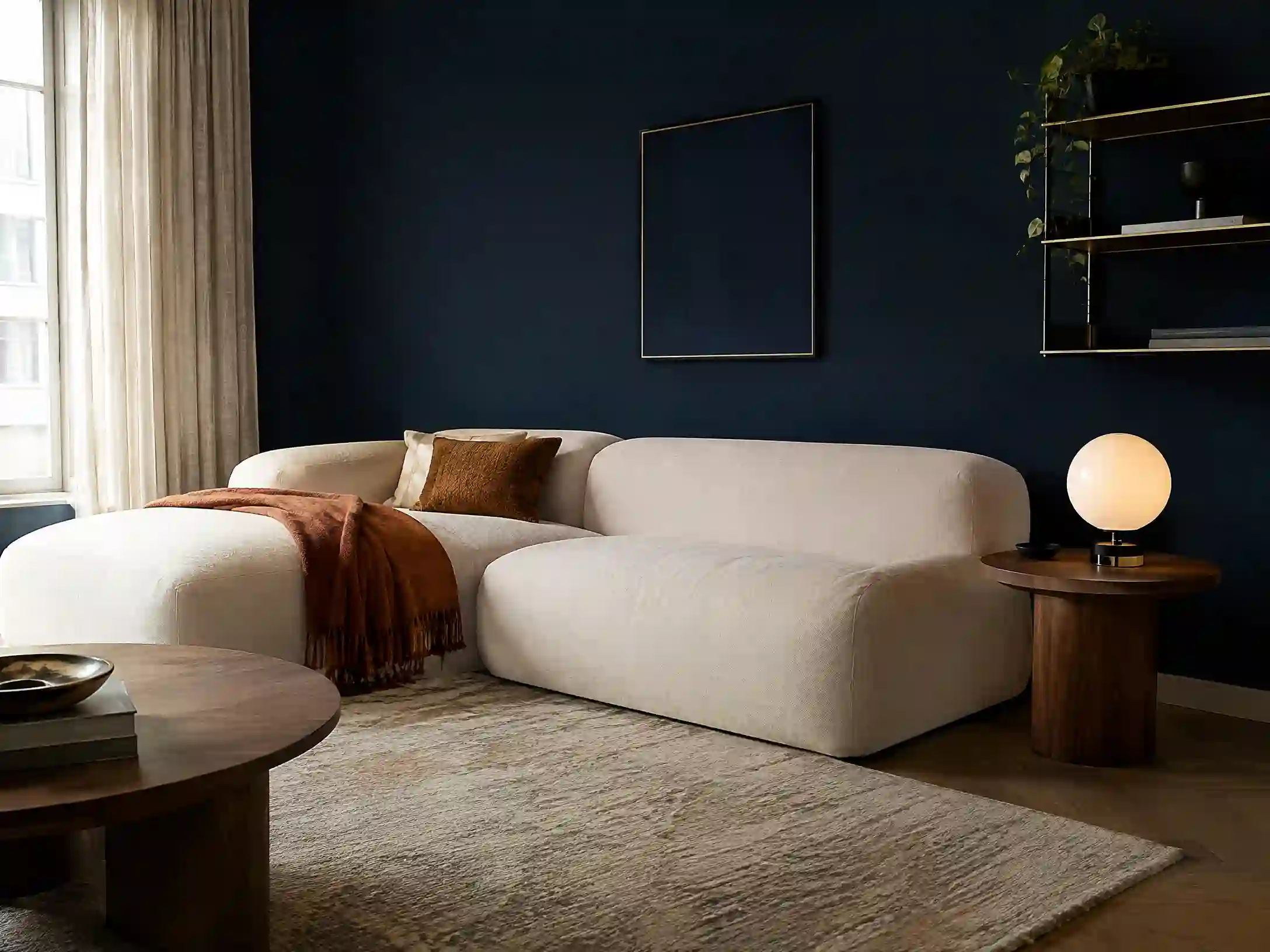
Navy provides drama in this Scandinavian Lounge, but cream upholstery keeps the room approachable. Rust accents bridge the cool and warm sides of the palette. A natural-wood side table prevents the scheme from feeling formal and reinforces the relaxed logic of Scandi style.
Amazon: For a similar warm pool of light, consider this Nordic wood tripod floor lamp on Amazon. Check current dimensions, bulb compatibility, shipping, and reviews before purchasing.
14. Greige, Charcoal, and Natural Oak Japandi-Scandi Room
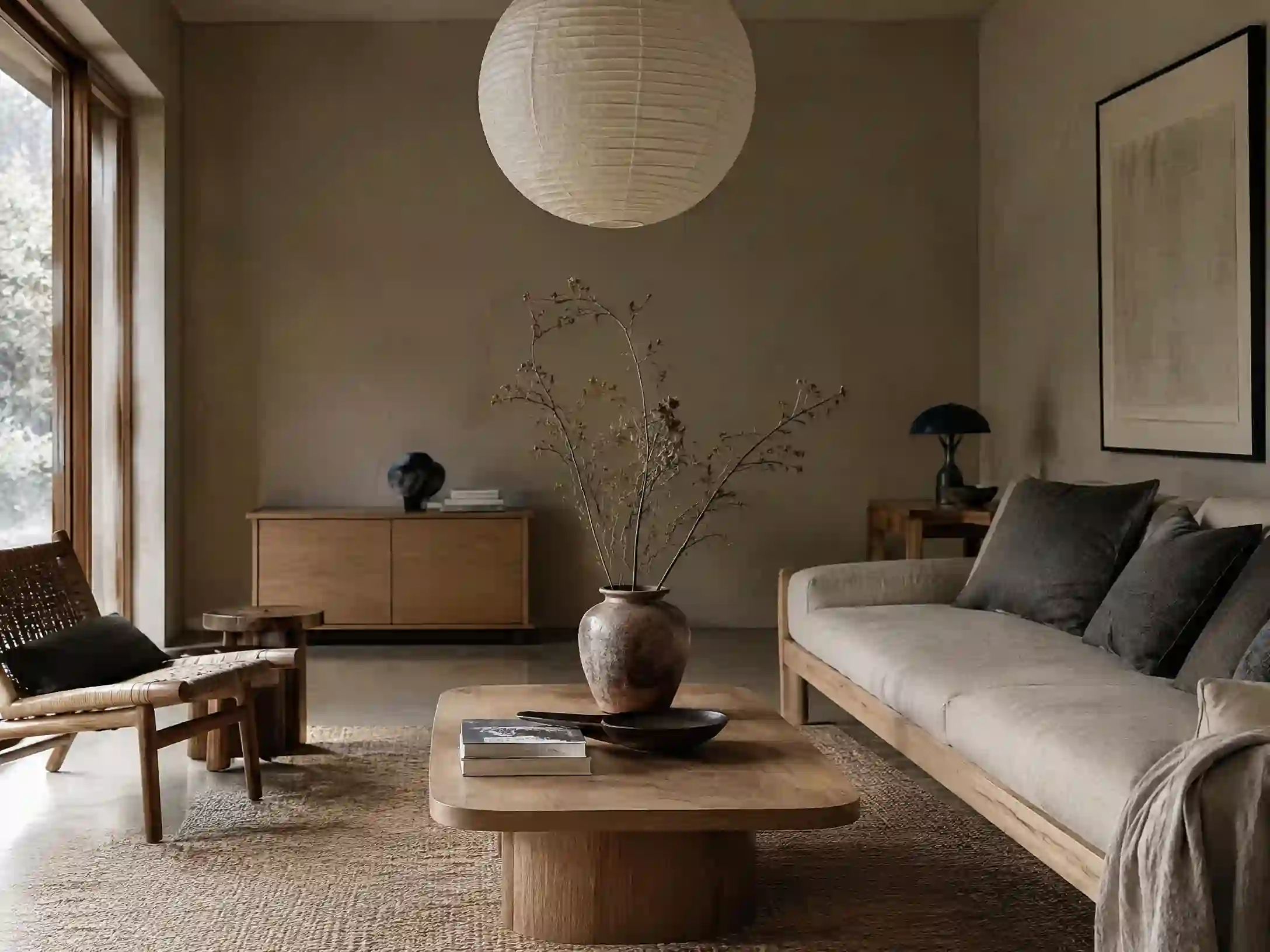
Greige walls and low oak furniture create a quiet Japandi Living Room. Charcoal linen cushions add contrast without introducing a bright accent color. The key is editing: select fewer, better-proportioned pieces and allow the grain of the wood and texture of the clay to carry visual interest.
15. Pine Green, Cream, and Honey Oak Bedroom
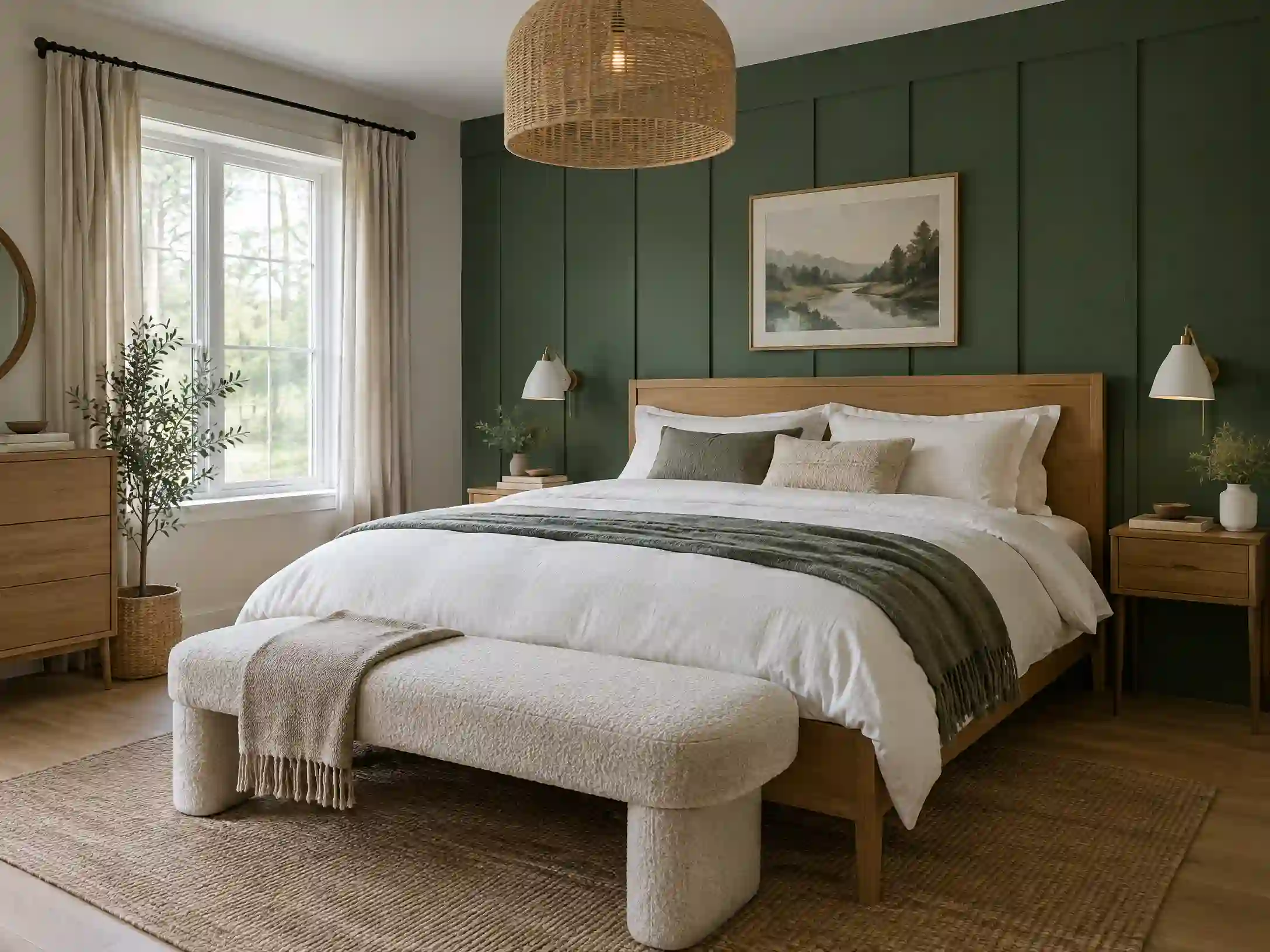
Pine green makes a bedroom feel enveloping, while cream bedding and honey oak keep it light enough for daytime. Layering a wool throw at the foot of the bed creates a Scandinavian Winter Decor effect that can be changed seasonally. For more textile inspiration, browse these cozy fall bedroom ideas.
16. Cobalt, Birch, and Tomato-Red Scandinavian Kitchen
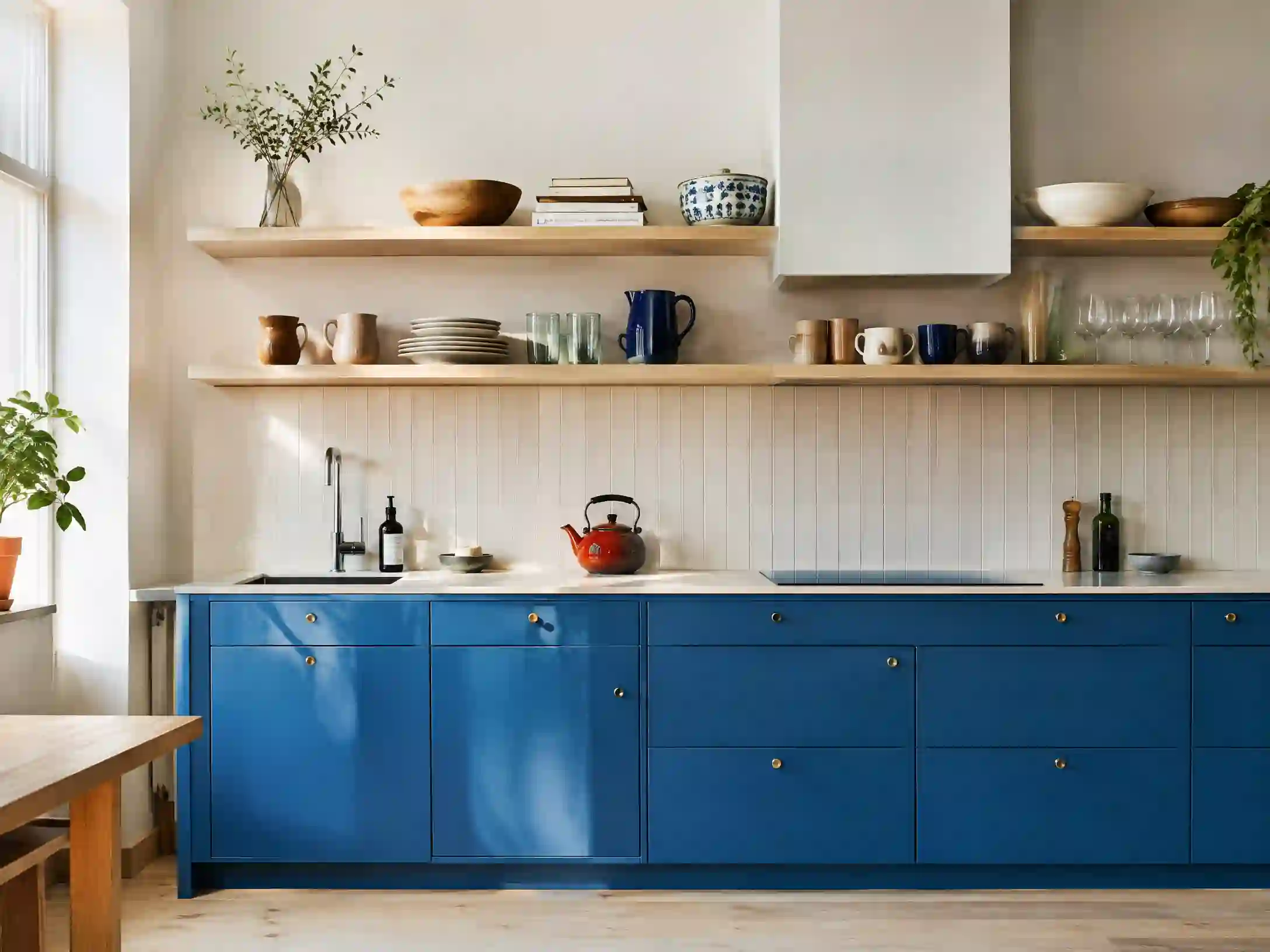
Nordic rooms can be colorful. Cobalt cabinetry becomes the anchor, birch shelves add warmth, and a tomato-red accessory supplies a controlled spark. This Scandinavian Colourful Interior works because the bright colors are limited to a few deliberate surfaces rather than scattered randomly.
17. Walnut, Camel, and Cream Media Room
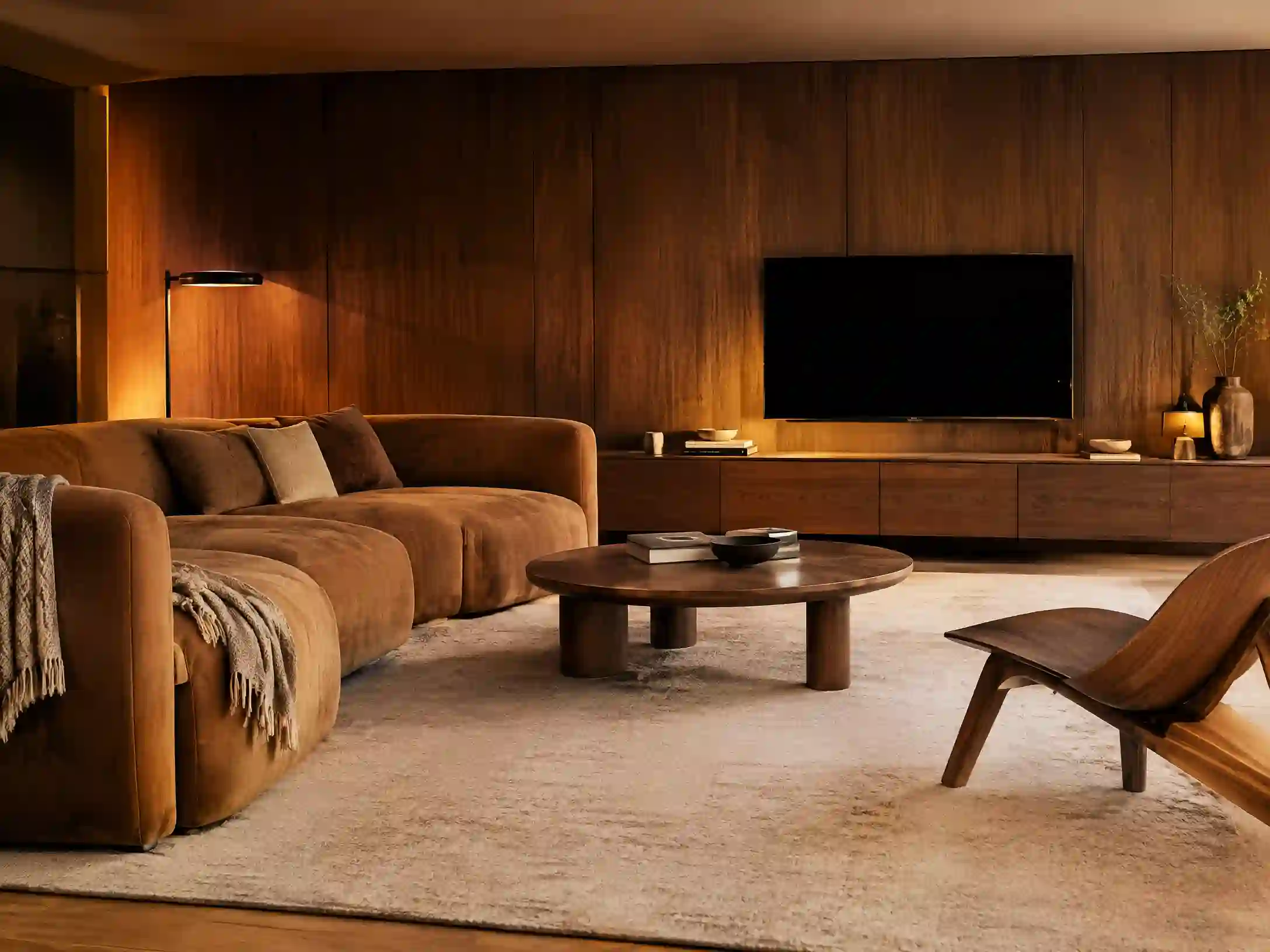
Walnut paneling gives a media room acoustic and visual weight. A camel sofa and cream rug soften the darker wood, creating a comfortable Warm Nordic Interior for films and conversation. Use concealed storage to keep equipment from overwhelming the clean architectural lines.
Amazon: A neutral wool or merino throw, such as this Scandinavian-style wool blanket selection on Amazon, can add warmth without competing with walnut. Verify fiber content and care instructions.
18. Coral, Cream, and Natural Wood Children’s Room
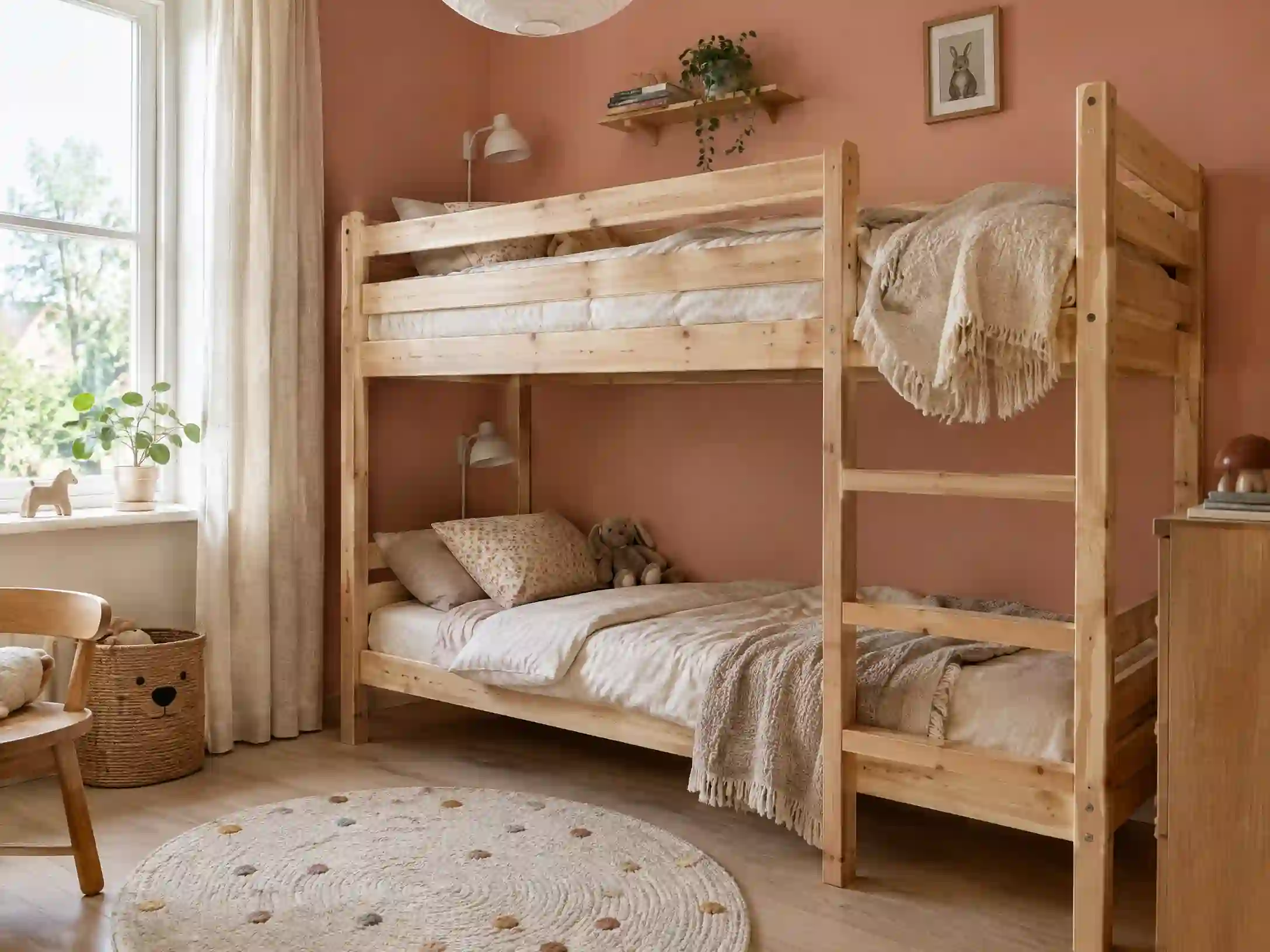
Coral adds cheer to a children’s room, while cream textiles and natural wood make the background adaptable. Keep storage accessible and anchor furniture securely. The best Scandi Home for children is beautiful because it is easy to use, not because every surface stays perfectly styled.
19. Smoky Stone, Rust, and Cream Mountain Cabin
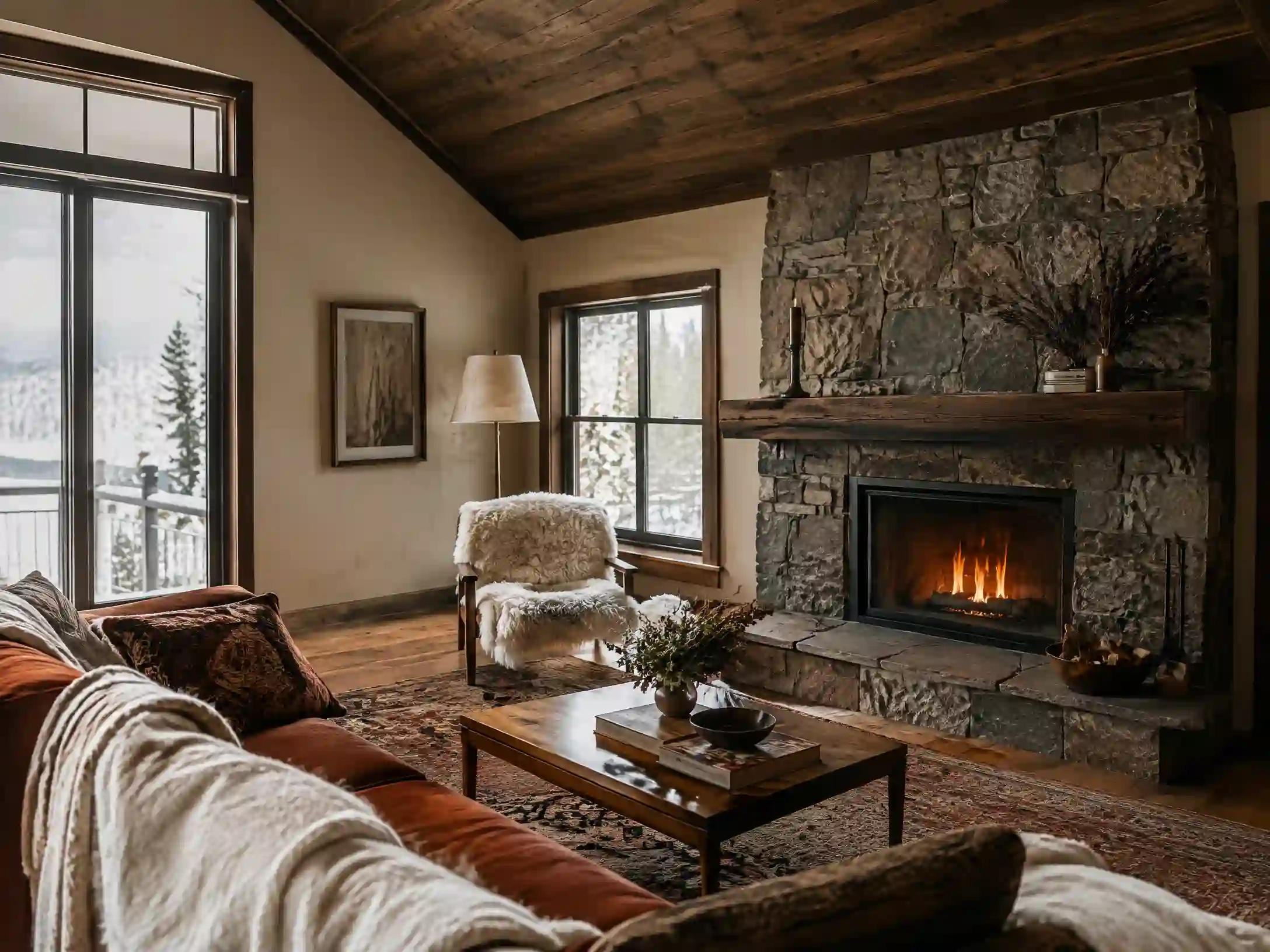
A smoky stone fireplace naturally becomes the focal point of this Nordic Cottage room. Rust textiles echo the fire’s warmth, and cream upholstery keeps the cabin from feeling heavy. Use robust materials here: wool, timber, stone, and leather age well and suit cabin living.
20. Bright White, Fern Green, and Birch Small Apartment
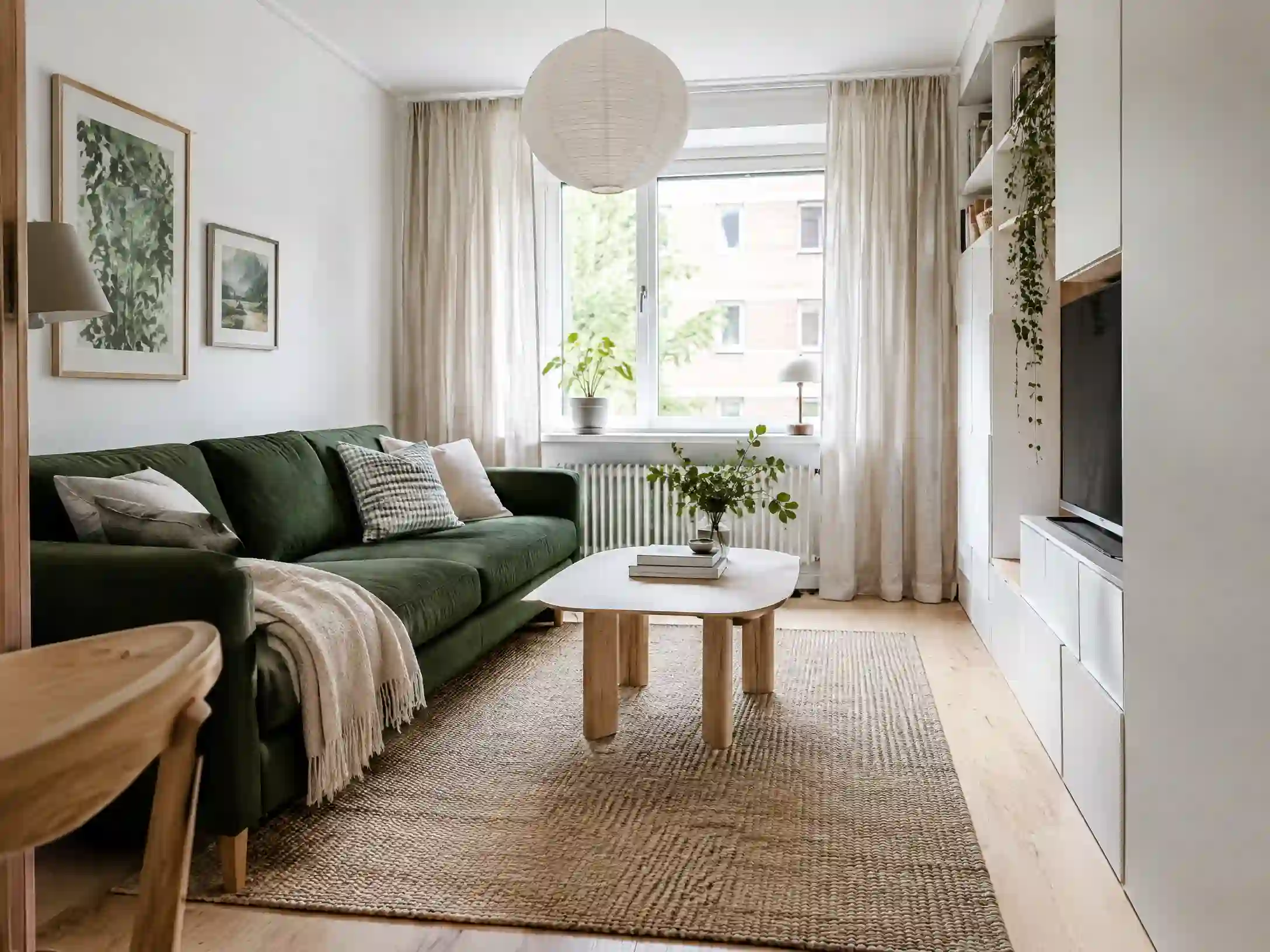
Bright white walls expand the visual field of a small apartment, while fern green gives the eye somewhere to rest. Birch furniture and linen curtains preserve the airy quality. This Scandinavian Minimalist Interior is a strong reminder that storage, scale, and circulation are the real foundations of a small home.
21. Dusty Blue, Oak, and Botanical Study Corner
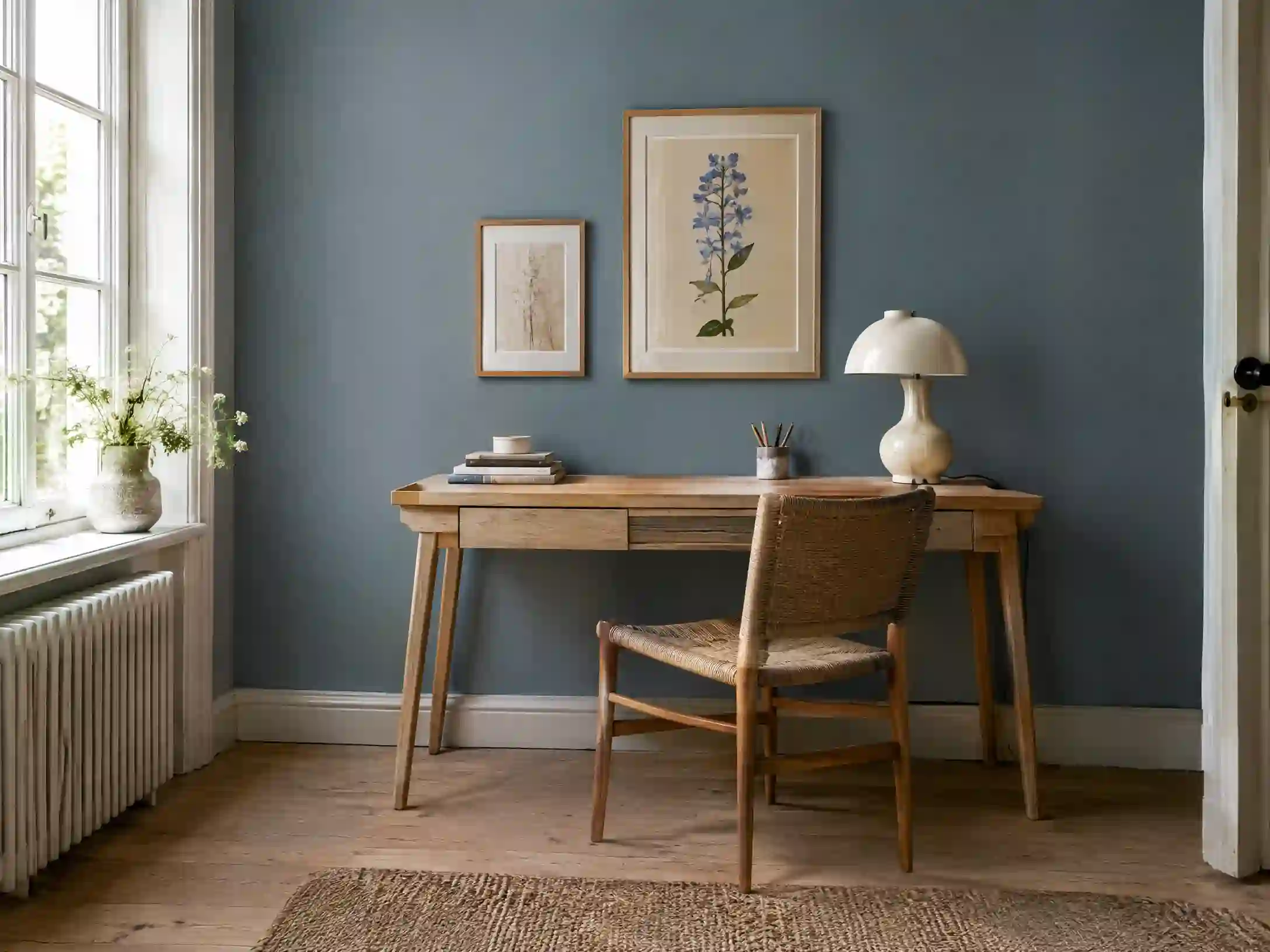
Dusty blue is calmer than a saturated navy and works well behind a compact desk. Oak prevents the corner from feeling institutional, while botanical art introduces a quiet organic shape. This palette suits a bedroom workstation, especially when the desk is visually separated from the sleeping zone.
22. Muted Clay, Cream, and Single-Branch Alcove
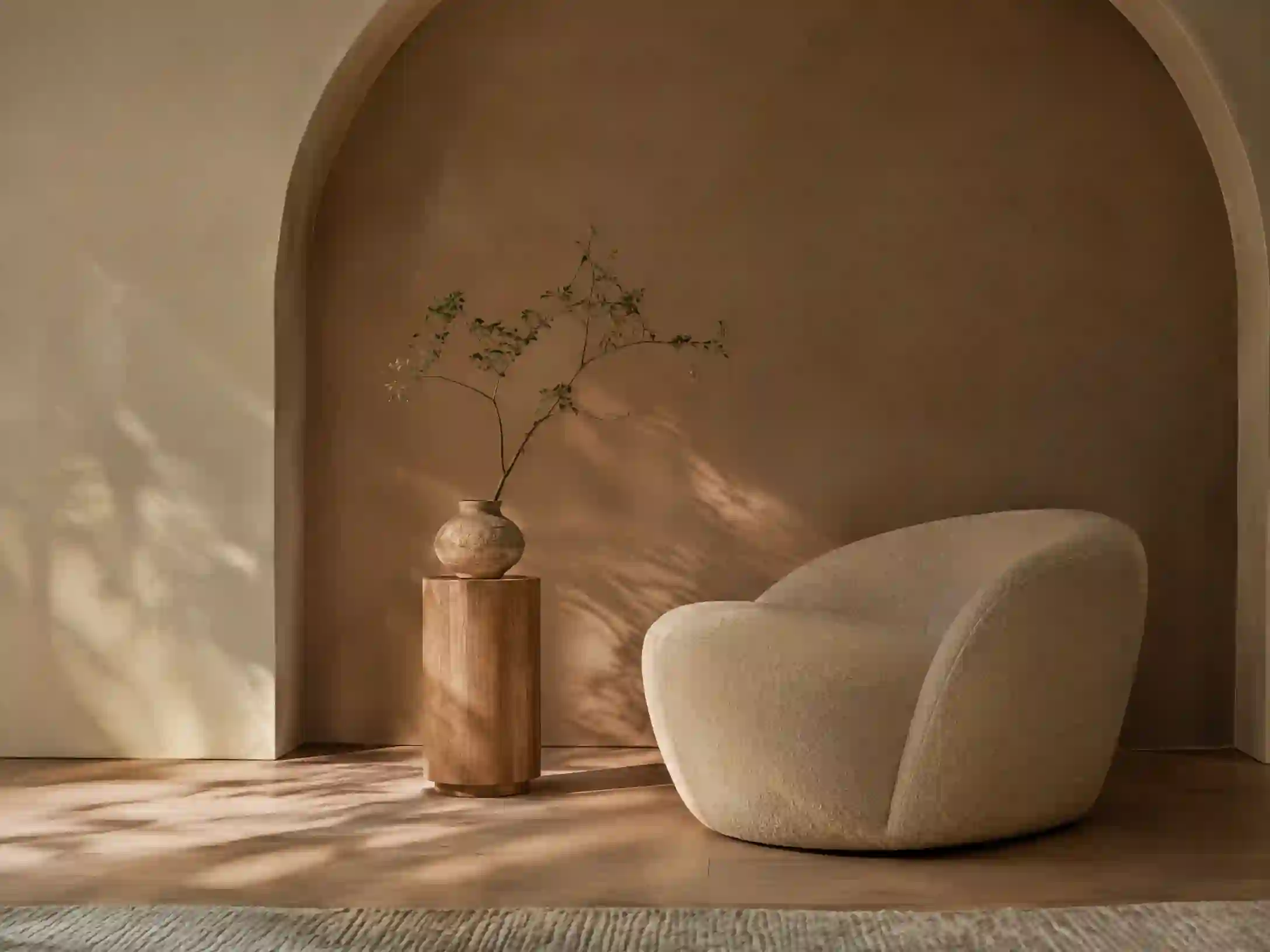
A muted-clay alcove creates architectural interest without a gallery wall. Pair it with one curved cream chair and a handmade vase for a focused Scandinavian Room Design. The lesson is useful for awkward niches: define the area with color, then give it one clear function.
23. Saffron, White Oak, and Black-Hook Hallway
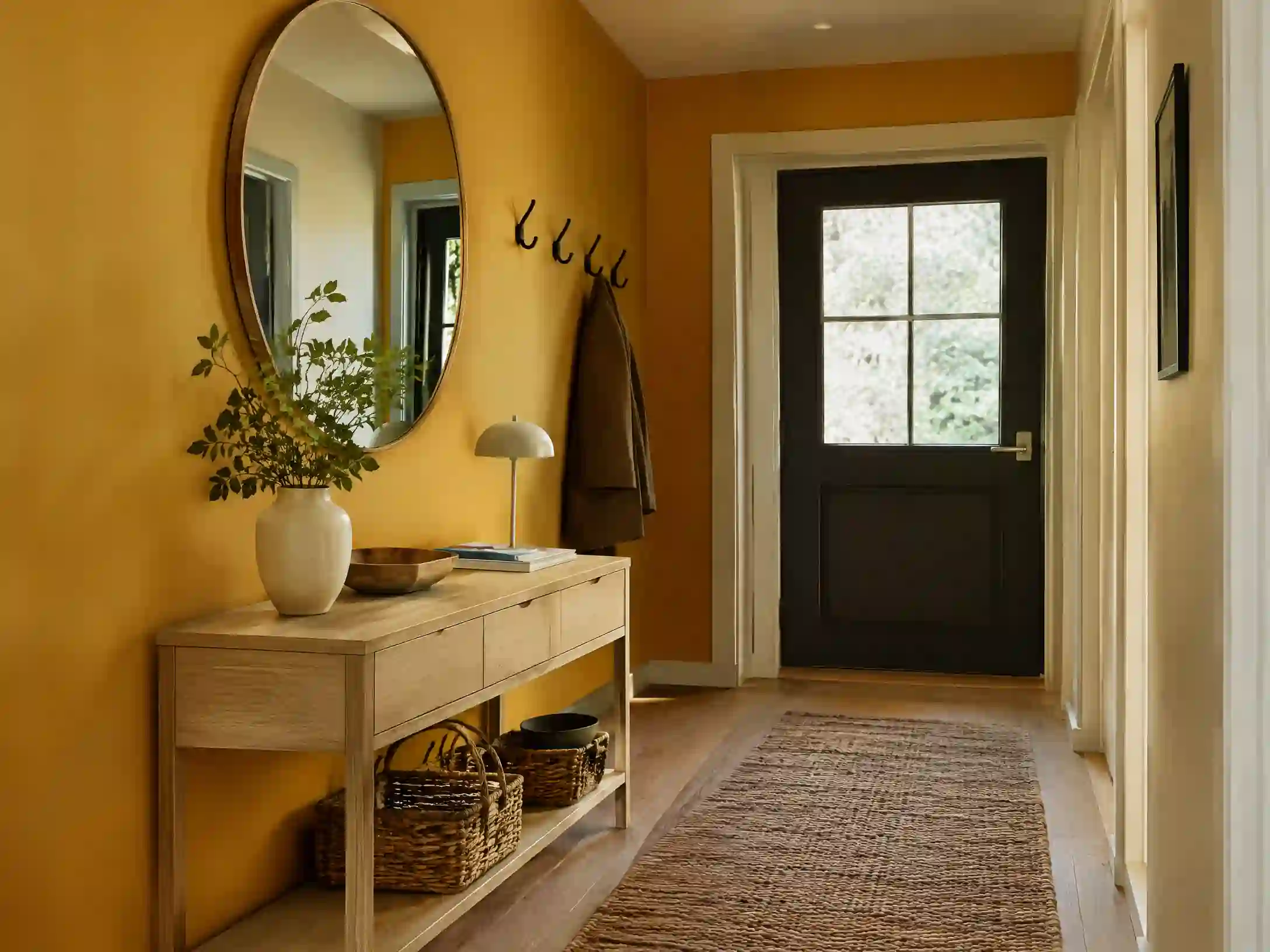
Saffron yellow gives a hallway a confident first impression. White oak keeps it friendly, while black hooks add a practical rhythm. A runner should leave enough floor visible at the edges and should be easy to clean. This is Elegant Living expressed through everyday organization.
24. Warm Gray, Pale Pink, and Oak Soft Lounge
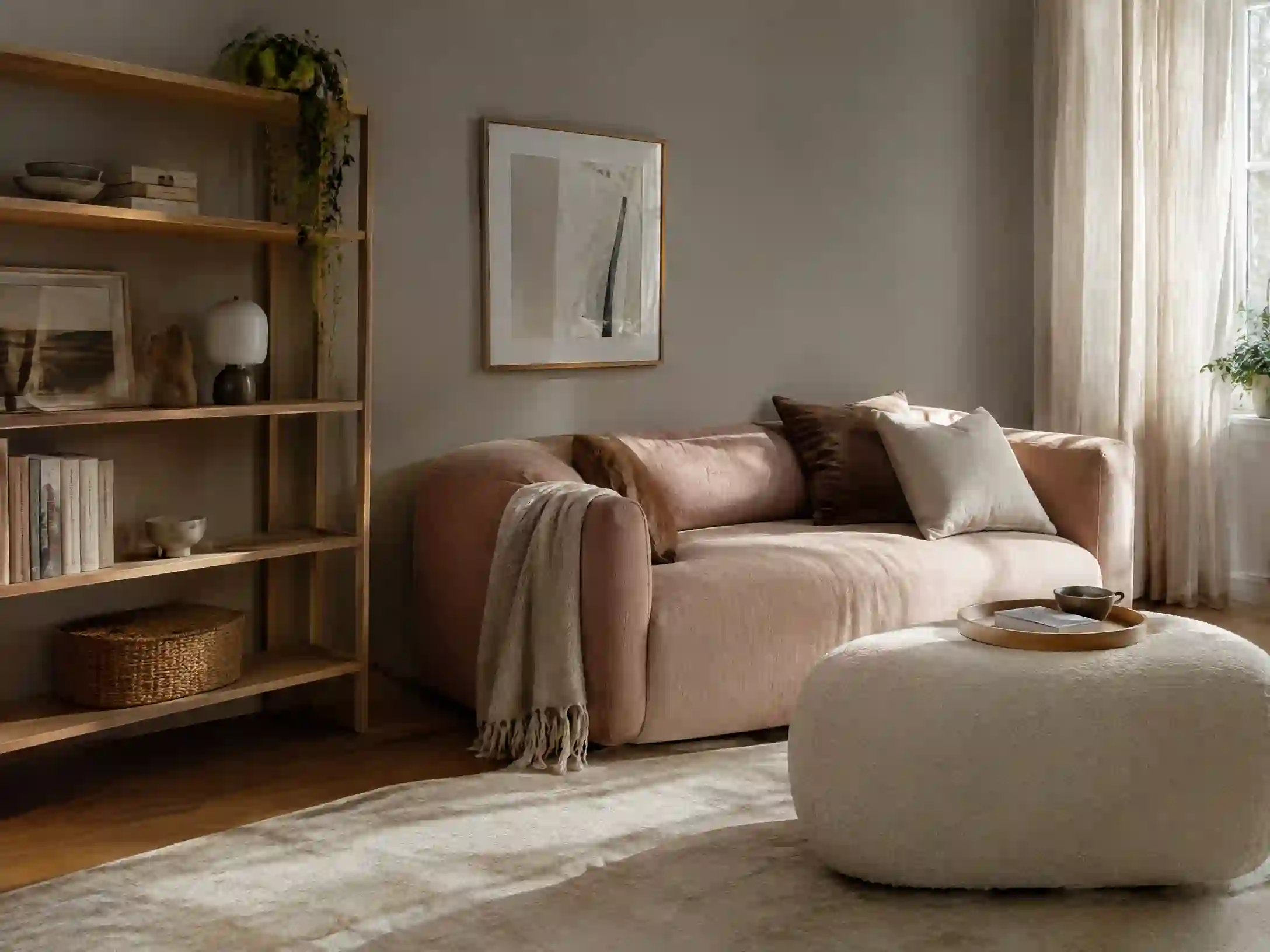
Warm gray walls make pale pink upholstery feel refined rather than overly sweet. Oak shelving and a cream ottoman create the natural-material balance expected of Interior Scandinavian Style. Keep artwork tonal and let daylight reveal the differences between the fabrics.
25. Forest Green, White Oak, and Black Wishbone Dining Room
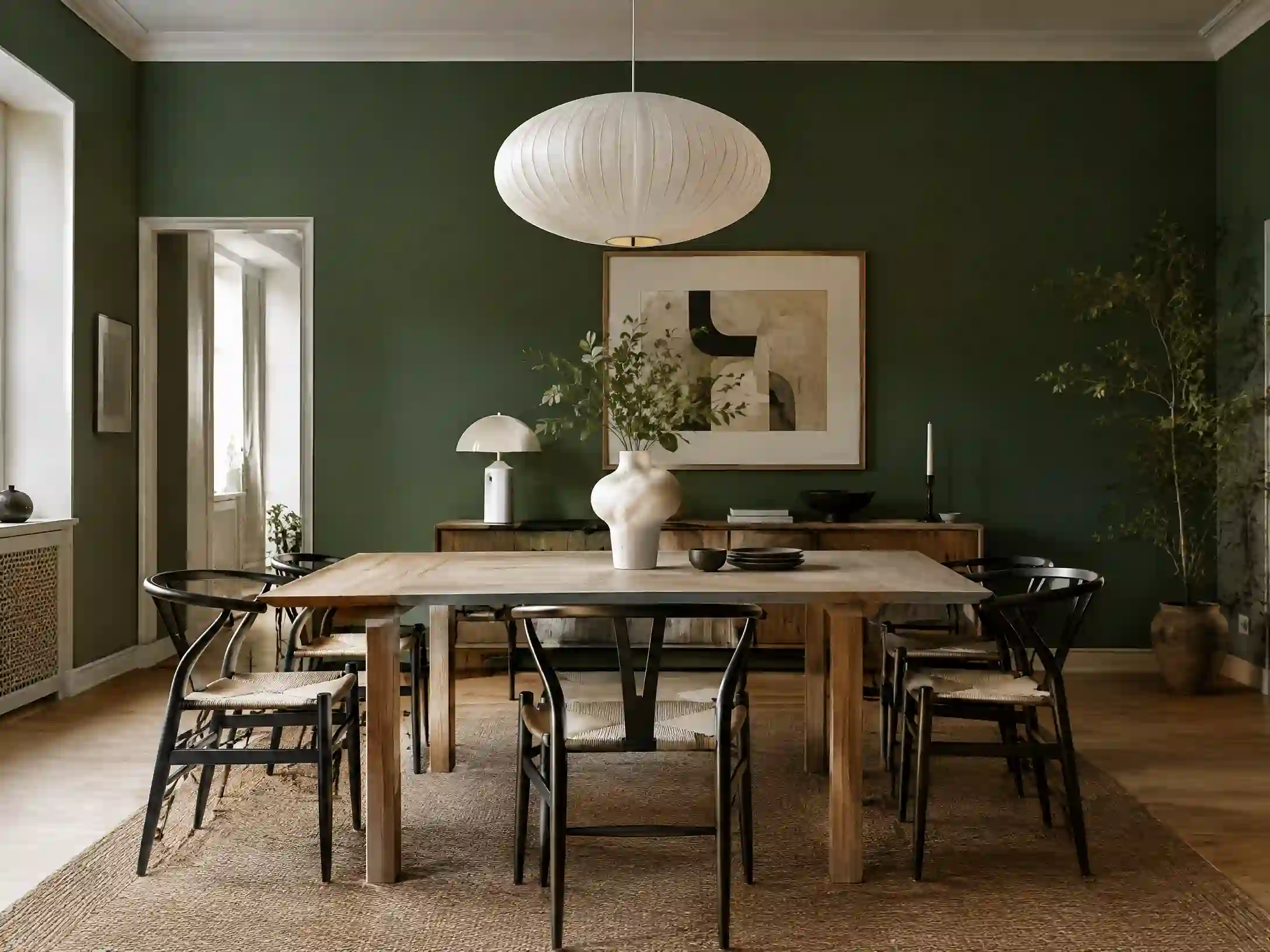
Forest green and black create a sophisticated frame for a light oak table. Ivory lighting softens the contrast, while the open chair profile keeps the room visually spacious. This final Nordic Interior shows how a Scandinavian palette can be dramatic, warm, and highly livable at the same time.
Amazon: A simple Nordic ceramic vase, such as this Scandinavian-style ceramic vase on Amazon, can finish a dining table without clutter. Check measurements and seller details before ordering.
How to Make Any Room Feel More Scandinavian
Start with the room’s function, then choose a restrained base palette and one supporting accent color. Add natural wood, wool, linen, cotton, or stone for texture. Use layered lighting rather than relying on one ceiling fixture, and leave enough open space for the furniture to breathe. Finally, edit decor until each object is useful, meaningful, or genuinely beautiful. That balance is what makes a Cozy Nordic Living Room feel intentional rather than staged.
Final Takeaway
The most successful Scandinavian rooms are not identical. Some are pale and coastal; others use navy, forest green, terracotta, or walnut. What connects them is a consistent design attitude: practical layouts, honest materials, comfortable textures, and color used with purpose. Choose the palette that fits your light and lifestyle, then make the room easier to live in before making it more decorative.