How to Choose the Best Outdoor Living Wall Planters for Your Home
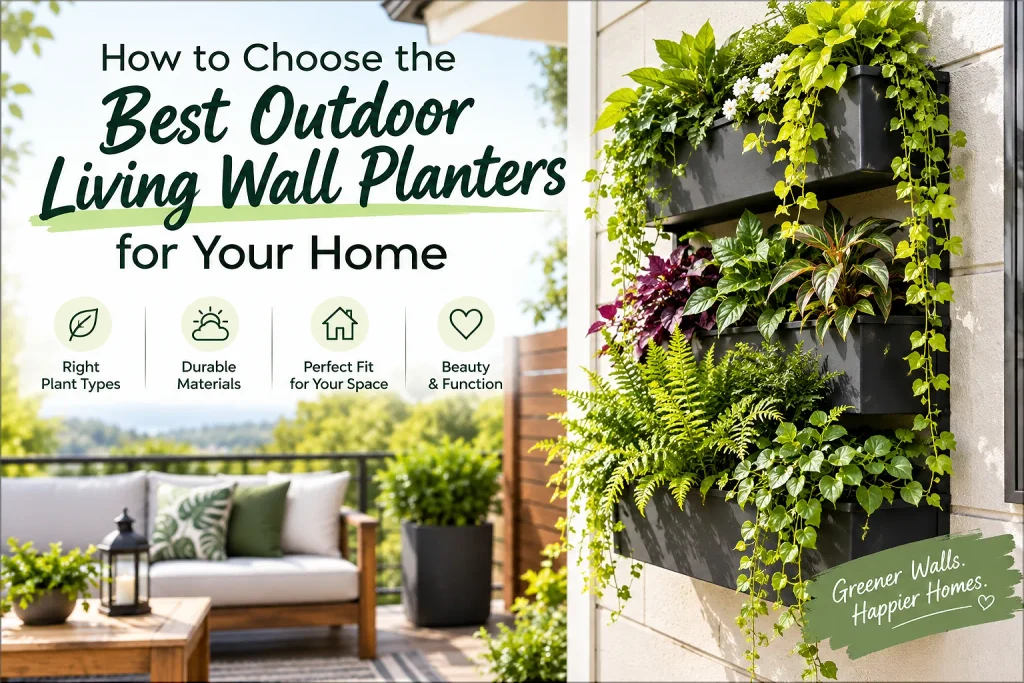
Outdoor living wall planters can turn an unused fence, patio wall, balcony screen, or side-yard surface into a productive garden feature. The best choice is not simply the planter that looks attractive in a product photo. It must suit the wall, the local weather, the available light, the plants you want to grow, and the amount of care you can realistically provide.
This guide uses practical selection criteria so you can compare materials, formats, planting styles, drainage, and mounting requirements before spending money. The same principles work whether you want an herb display, a low-water succulent arrangement, or a lush outdoor planting wall.
Start With the Wall: Measure Space, Sun, and Structure
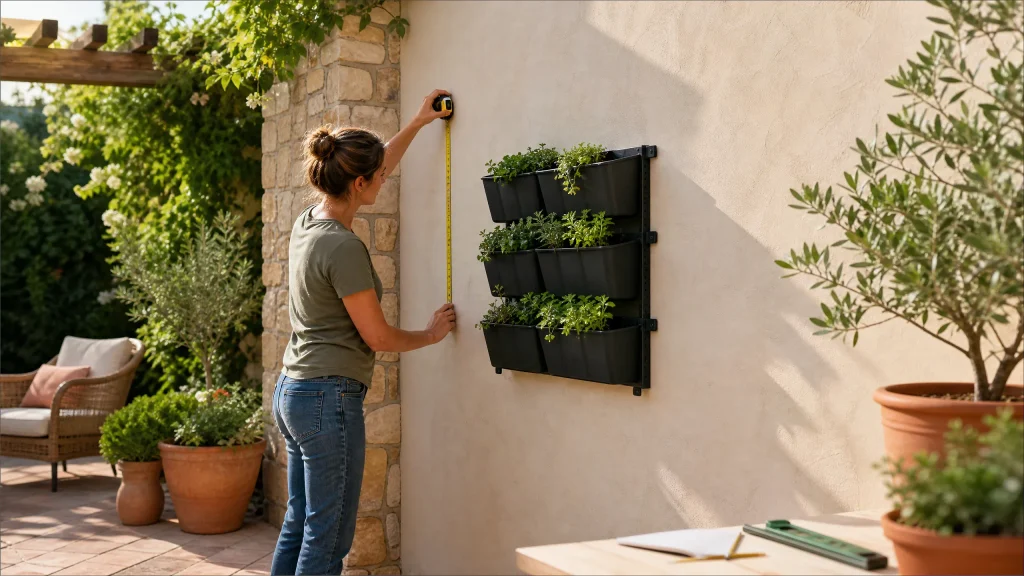
Begin with the surface rather than the planter. Measure the available width and height, note doors and walking paths, and observe the wall at different times of day. Many plants perform best with several hours of direct light, while ferns, some herbs, and shade-tolerant foliage can work in filtered light.[1] A south- or west-facing wall may also heat up quickly and dry containers faster than a shaded north-facing surface.
Structure matters just as much as sunlight. A planter filled with wet growing medium and mature plants can weigh considerably more than it does in the store. Masonry, structural framing, and sound timber generally offer more reliable fixing points than thin cladding or a decorative fence panel. If you rent, consider a freestanding frame or a removable rail system and review these damage-free rental decorating ideas before drilling.
Compare Materials Built for Weather
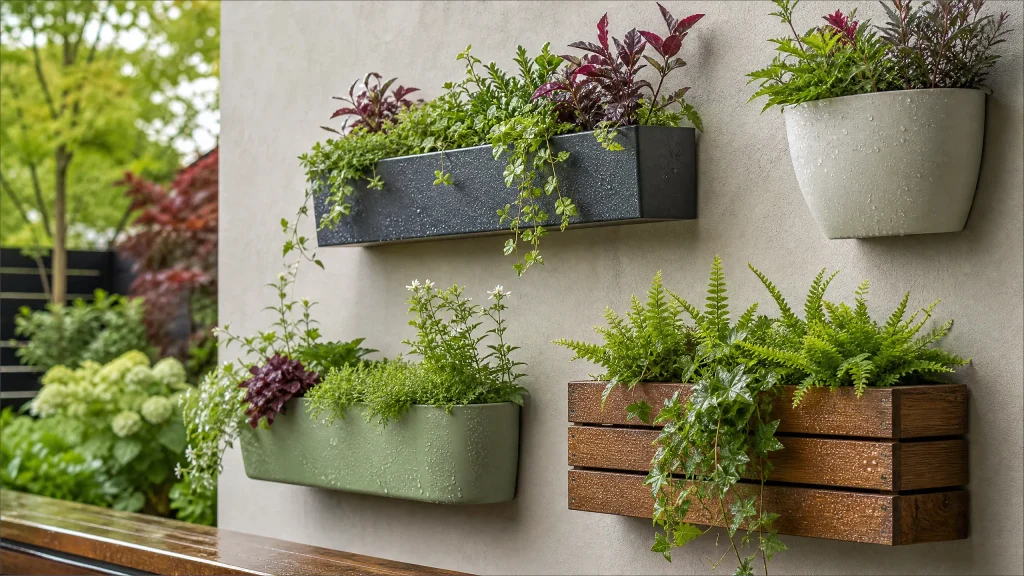
Outdoor materials have to tolerate sun, rain, temperature changes, and wind. Resin and heavy-duty plastic are usually lightweight and easy to handle. Powder-coated metal can create a crisp modern appearance, but inspect the finish and hardware for corrosion protection. Treated wood brings warmth and works beautifully in rustic settings, although it may require sealing and closer inspection over time. Ceramic is visually appealing but can be heavy and vulnerable to cracking in freeze-thaw conditions.
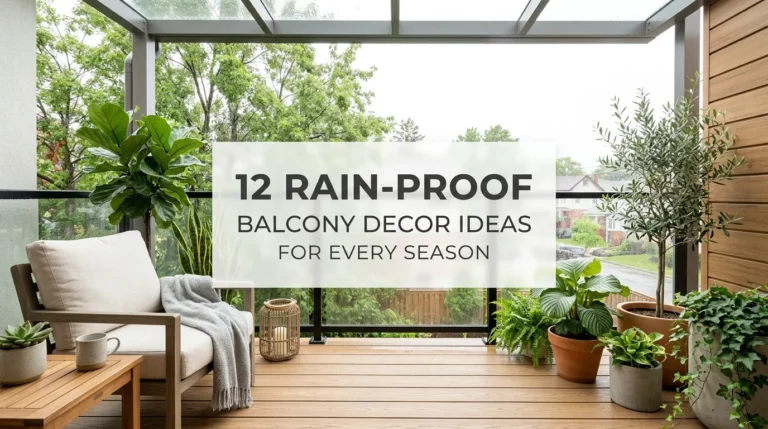
Look for UV-resistant construction, secure brackets, and a finish intended for exterior use. The lightest product is not automatically the safest: a thin container may flex, while a heavier ceramic pot can overload the mounting point. For a rain-exposed balcony, pair weather-resistant planters with the practical ideas in this guide to rain-proof balcony decor.
Choose the Right Planter Format for Your Garden Goal
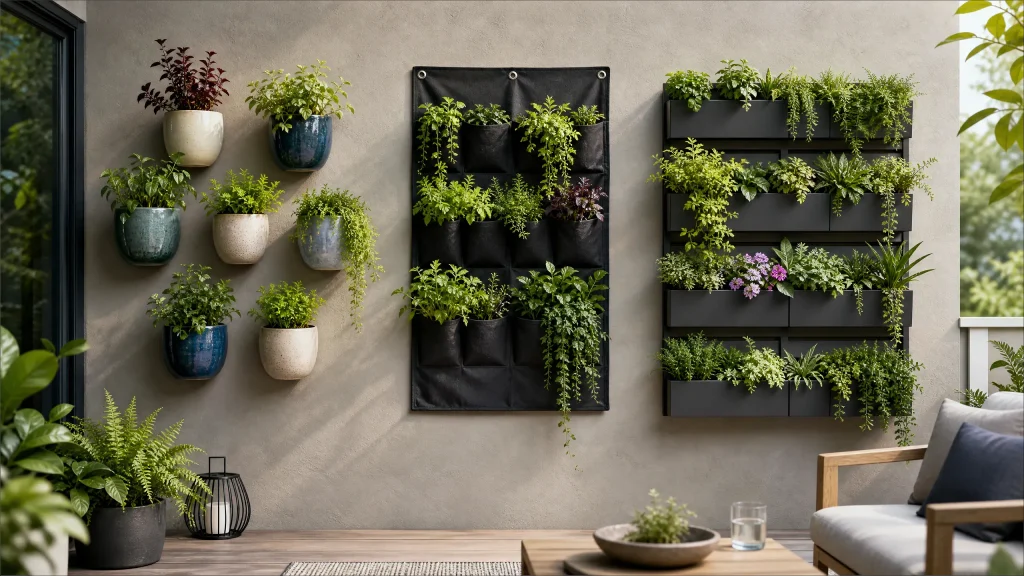
Different formats solve different problems. Individual wall pots give you the most flexibility because each plant can be watered, replaced, or repositioned independently. A wall pocket planter is efficient for herbs, annual flowers, and small leafy plants, but fabric pockets may dry out rapidly in hot, windy locations. A modular vertical wall planter creates a more finished architectural look and can offer consistent spacing across a broad surface.
For a small balcony, a narrow stacked unit may provide more planting area without spreading across the wall. For a feature installation, repeated rectangular modules can create the visual rhythm associated with living walls vertical gardens. If your wall is unusually wide, use the principles in this guide to decorate a long wall so the planting does not look like a random row of containers.
| Format | Best for | Watch for |
|---|---|---|
| Individual wall pots | Flexible displays and easy plant replacement | More brackets, drilling, and visual spacing decisions |
| Fabric pocket system | Herbs, flowers, and lightweight seasonal planting | Fast drying, wall protection, and fabric durability |
| Modular planter rails | Structured feature walls and repeatable layouts | Total wet weight, drainage routing, and secure fixing |
Match Plants to Light, Climate, and Maintenance
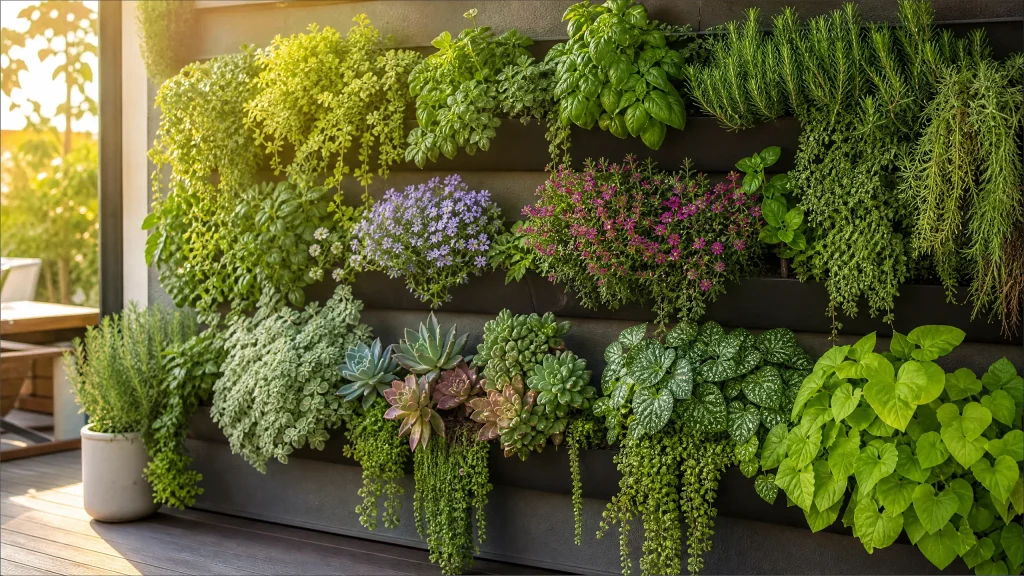
Choose plants after you understand the microclimate. Succulents and drought-tolerant herbs are sensible for bright, exposed walls. Leafy greens, basil, mint, and compact peppers can work in edible displays when the container volume, sunlight, and watering routine are adequate. Trailing flowers add movement, while upright herbs and compact foliage create height and structure. LiveWall’s plant-selection guidance emphasizes that orientation, climate, and design intent should guide the mix rather than appearance alone.[3]
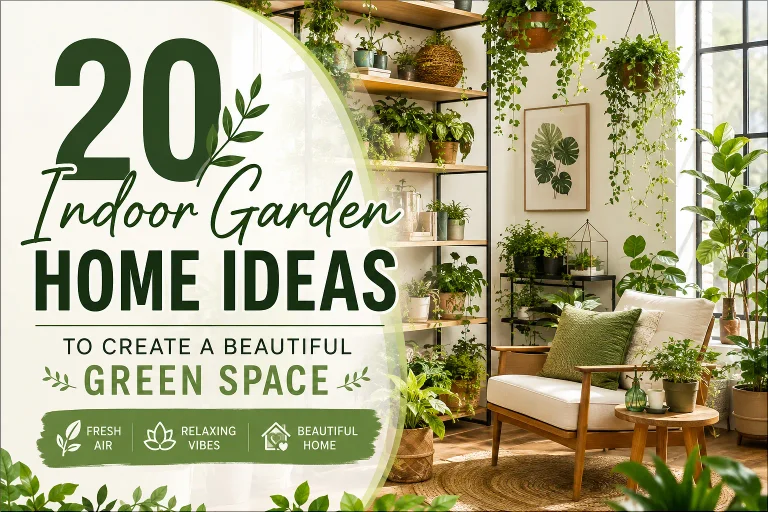
Group plants with similar water needs. Combining a thirsty fern with a drought-loving succulent in the same shallow pocket often creates a maintenance problem. In colder regions, annuals may be simpler than trying to overwinter tender perennials in exposed containers. For an indoor extension of the idea, an indoor wall garden needs suitable light, and edible plants may need supplemental lighting rather than a dim decorative location.[3]
Plan Drainage, Mounting, and Watering Before Planting
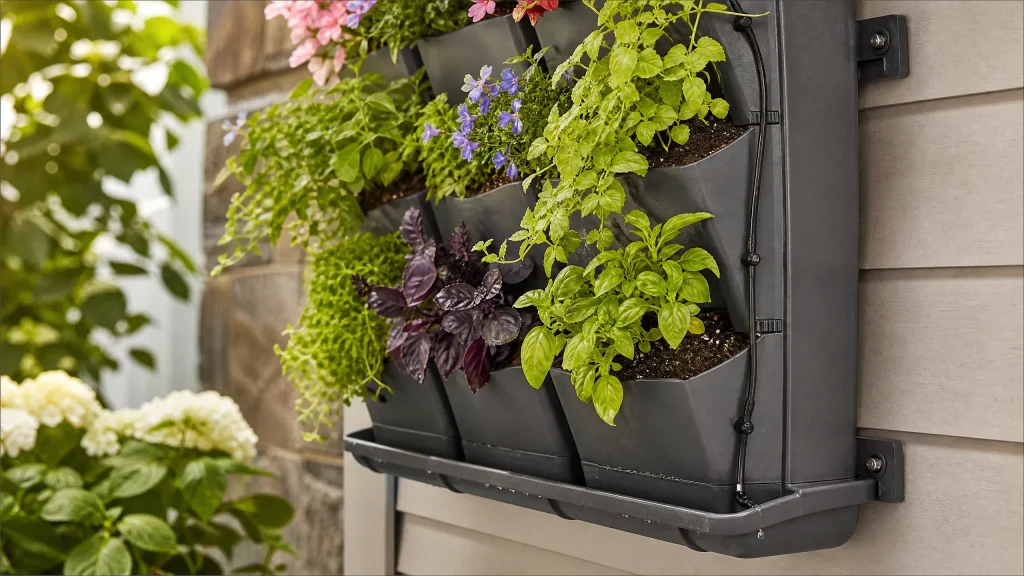
Drainage is non-negotiable. Outdoor containers should allow excess water to escape so roots are not left in saturated soil.[1] At the same time, uncontrolled runoff can stain a wall, damage timber, or drip onto furniture below. Choose planters with drainage holes, trays, liners, or a connected drainage route that suits the location. Use a lightweight container mix rather than dense garden soil, and do not block drainage holes with compacted material.
Mounting hardware should match the wall type and the planter’s fully watered weight. Install into a stud, masonry fixing, or manufacturer-approved support rather than relying on a weak surface layer. Leave enough clearance to inspect the back, remove a plant, or clean the drainage path. A drip line or self-watering reservoir can reduce daily labor, but it does not replace inspection. Check for clogged outlets, leaks, dry pockets, and loose fasteners after storms.
Style the Finished Living Wall for Everyday Use
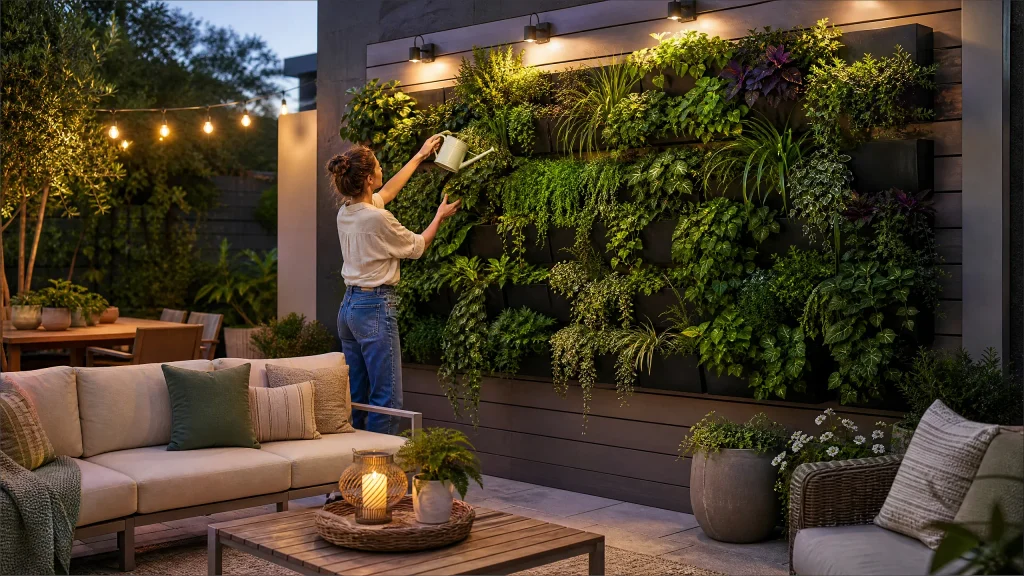
A successful wall should be enjoyable to live with, not just attractive in a photograph. Keep frequently harvested herbs within easy reach and place delicate flowers where they can be seen from the seating area. Repeat one or two colors in the pots, cushions, or nearby accessories so the garden feels intentional. A staggered arrangement often looks relaxed, while a grid feels more contemporary.
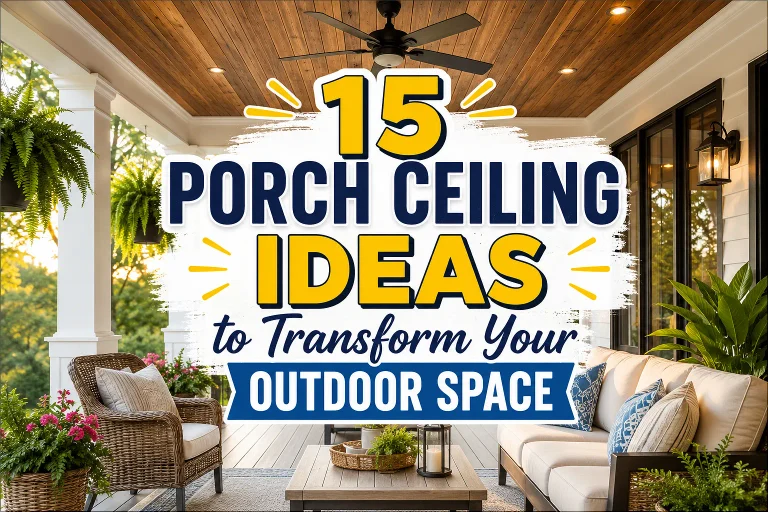
Allow for growth at installation. Plants that look perfectly spaced on planting day can quickly crowd shallow containers. Prune trailing growth before it blocks lower pockets, rotate seasonal plants when needed, and keep access to irrigation points clear. If the wall forms part of a covered porch, coordinate the planter arrangement with the ceiling and lighting ideas in this porch ceiling ideas resource.
Amazon-Friendly Product Shortlist: Start With the Format
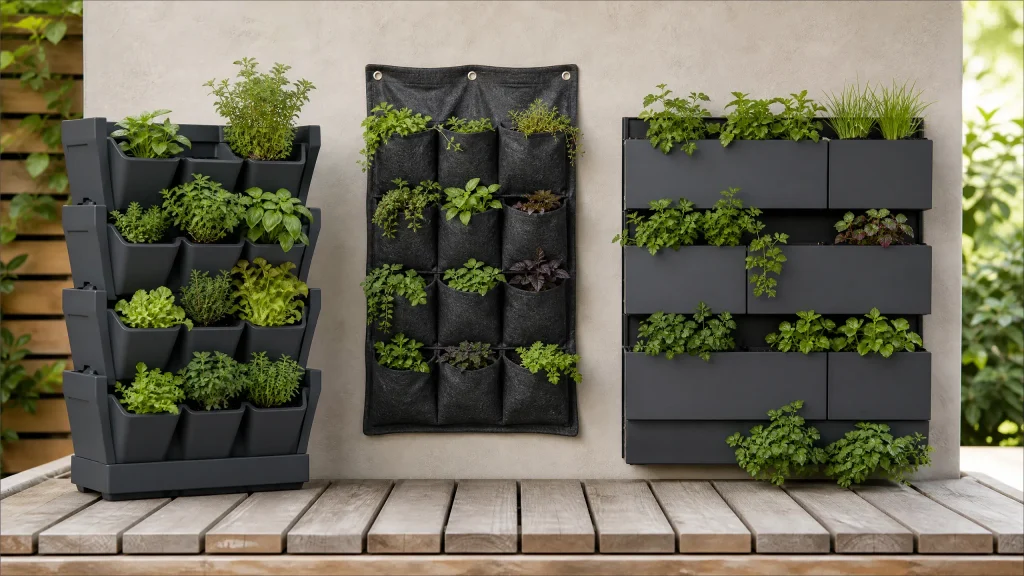
Product names and inventory change, so compare the specifications on the live Amazon listing before buying. These three starting points cover different needs:
| Product direction | Why it may fit | Check before ordering |
|---|---|---|
| Mr. Stacky 5-Tier Garden Planter | A compact stacked format for herbs, greens, or flowers where floor space is limited. | Outdoor rating, stability, tray design, and the weight of a fully watered unit. |
| Vertical garden wall planter systems | Useful when you want a repeated modular layout across a patio or fence. | Mounting hardware, drainage path, pocket depth, and replacement availability. |
| Six-pocket fabric wall planter | A lightweight starting point for seasonal flowers, herbs, and small foliage. | Fabric quality, wall protection, drainage behavior, and drying speed in your climate. |
Buying note: Amazon prices, availability, materials, and customer feedback can change. Treat the links as shopping starting points, then verify dimensions, warranty, mounting requirements, and return terms for your exact installation.
A Simple Final Checklist for Outdoor Living Wall Planters
Before placing an order, confirm five things: the wall can support the wet load; the plants match the available light; the container has a safe drainage plan; the material is appropriate for local weather; and you can comfortably reach every pocket for watering and pruning. If one of those answers is uncertain, choose a smaller installation or use a freestanding support first.
The best living wall planters outdoor are the ones that combine dependable construction with a care routine you will actually maintain. Start with a modest planting wall, learn how quickly it dries, and expand once the first season shows you what the space can support.