Twin Bed for Toddler: A Parent’s Guide to Choosing the Right Bed
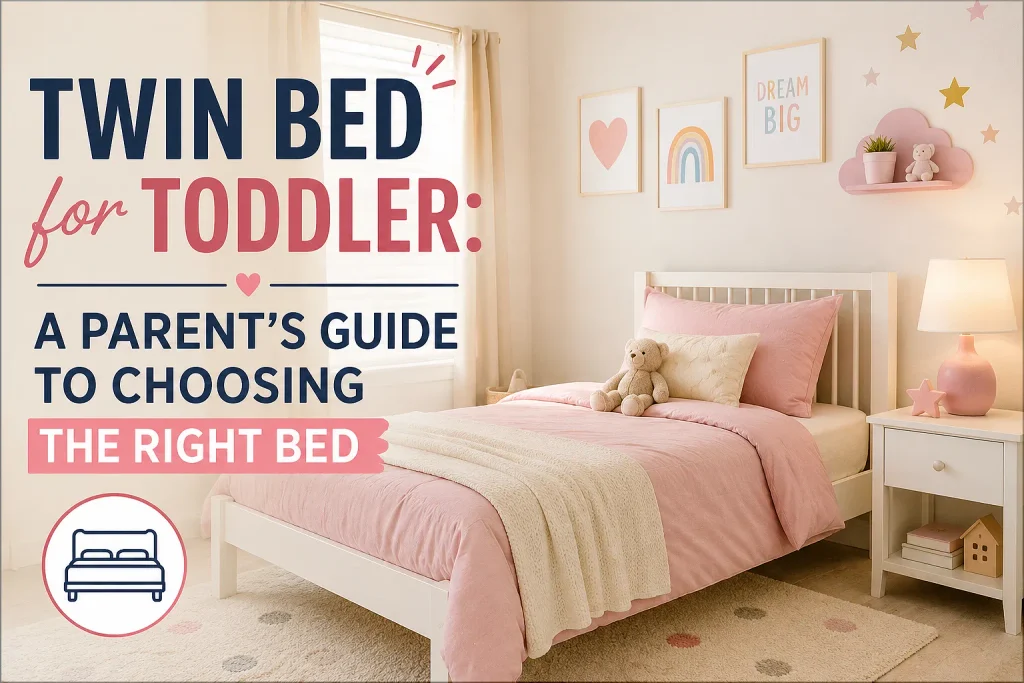
Moving from a crib to a larger bed is a big milestone—and it can create many questions. Is a twin bed too large? Should you choose a toddler bed first? What mattress feels supportive, and how can you make the room safe for nighttime wandering?
The answer depends on your child’s readiness, room layout, and how long you want the bed to last. A chosen twin bed for toddler use can provide years of sleep, but safety and fit should come before themes or storage. This guide offers a practical, parent-friendly approach.
Is Your Child Ready for a Twin Bed?
A child does not need to reach a particular birthday before moving to a new bed. Readiness is usually connected to development and safety. If your toddler can climb out of the crib, the American Academy of Pediatrics says it may be time to consider a “big kid” bed.1 A move may also be useful when the crib rail is no longer a safe barrier or when a new sibling needs the crib.
A twin bed can suit a child who is ready for more independence and needs a long-term sleep surface. A toddler bed is typically lower and often uses a crib-size mattress, so it may feel less intimidating. Before shopping, ask whether your child can follow a simple bedtime rule, get in and out safely, and communicate when help is needed.
What to Look for in a Twin Bed Frame for Toddler Safety
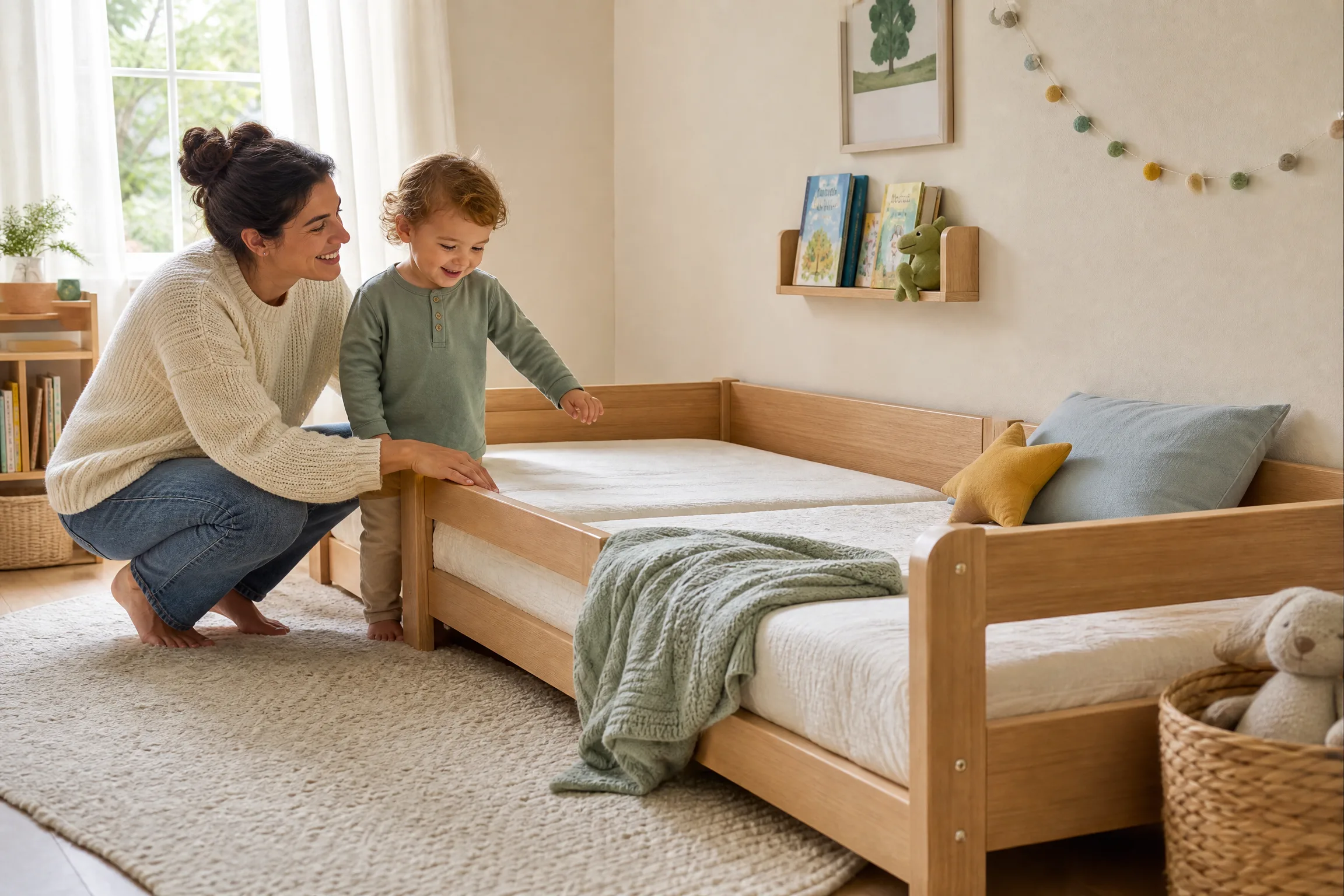
The key feature of a twin bed frame for toddler use is a stable, low-to-the-floor design. A low platform reduces fall distance and makes it easier for a small child to climb in. Look for rounded edges, sturdy center support, secure slats, and hardware that can be tightened.
If you choose a frame with rails, make sure the rails are designed for that exact frame and mattress combination. Rails should help prevent accidental falls; they should not create openings where a child’s body could become trapped. Follow the manufacturer’s age, weight, assembly, and mattress-thickness instructions.
Room placement matters just as much as the frame. Keep the bed away from windows, blind cords, heaters, and unstable furniture. Anchor dressers and bookcases to the wall. The AAP also recommends making the entire room safer because a newly mobile child may leave the bed at night.1 A floor rug can soften the landing, but it should lie flat so it does not become a tripping hazard.
Amazon product: Low-profile twin bed frame with guardrails. Browse low-profile twin bed frames on Amazon for wood or metal options with low heights and side protection. Before buying, confirm the interior dimensions, rail design, slat spacing, and whether a box spring is required.
How to Choose the Best Twin Mattress for Kids
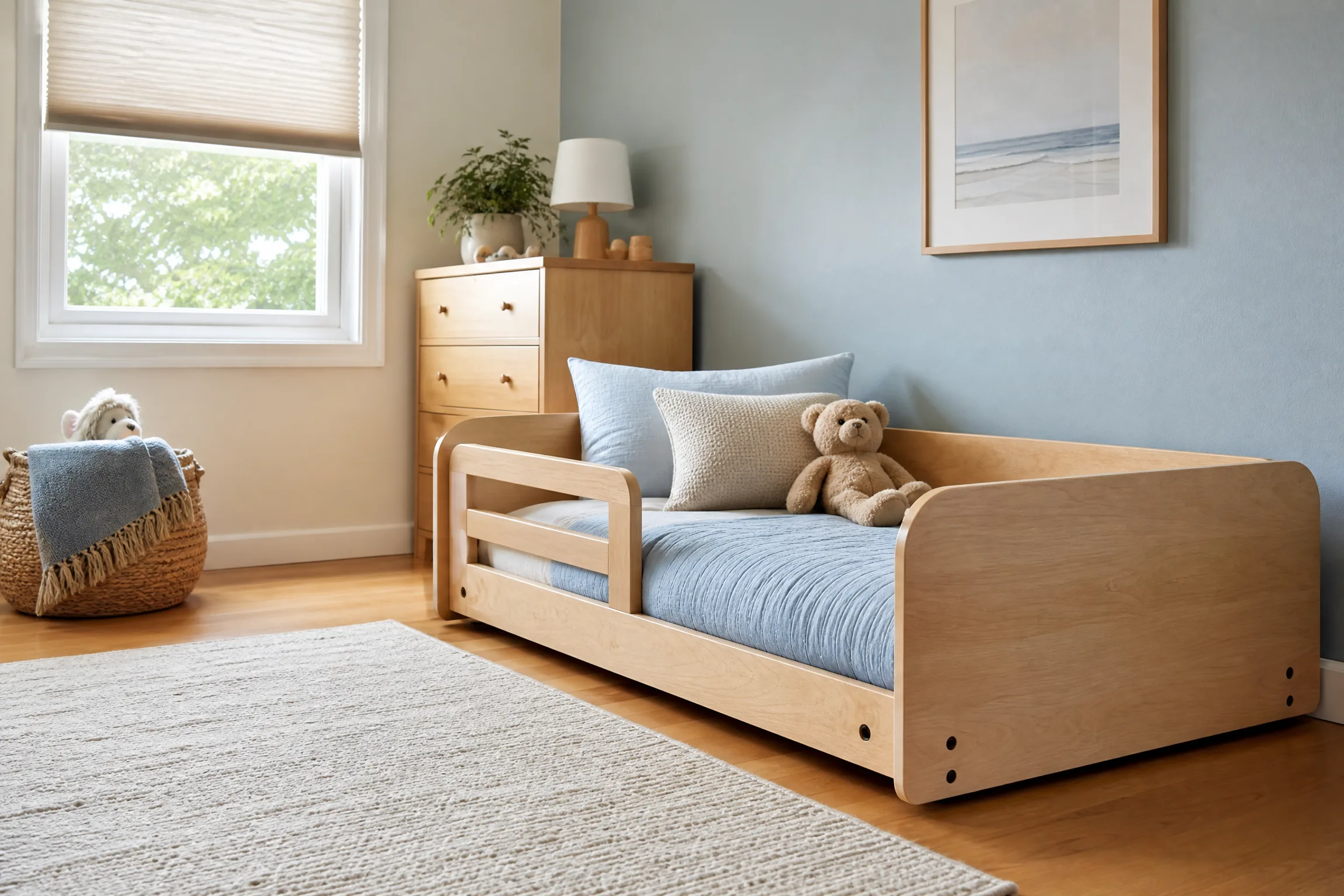
A mattress should fit the frame precisely, without a gap at the sides or ends. Measure the frame’s interior—not only the advertised “twin” size—and check the mattress height against any guardrail. An overly thick mattress can reduce the effective height of a rail, while a mattress that is too small may shift during sleep.
For many families, the best twin mattress for kids is one that offers balanced support, a breathable cover, manageable weight, and clear safety information. Medium-firm comfort is a reasonable starting point, but children differ, so read the manufacturer’s guidance and consider your child’s sleeping position. A washable or removable cover is especially helpful during toilet training and occasional nighttime accidents.
Do not choose a mattress solely because it is labeled organic, cooling, or orthopedic. Check the materials, emissions or certification claims, warranty terms, return policy, and cleaning instructions. Let the mattress expand and air out exactly as directed, and remove all plastic packaging before use. Mattress protectors should be waterproof, quiet, and tightly fitted rather than loose or bunched.
Amazon product: Twin mattress made for growing children. Compare twin mattresses for kids on Amazon by thickness, cover care, firmness, certifications, and verified dimensions. Review current specifications and seller information before ordering.
Twin Bed for Toddler Boy or Girl: Design Without the Stereotypes
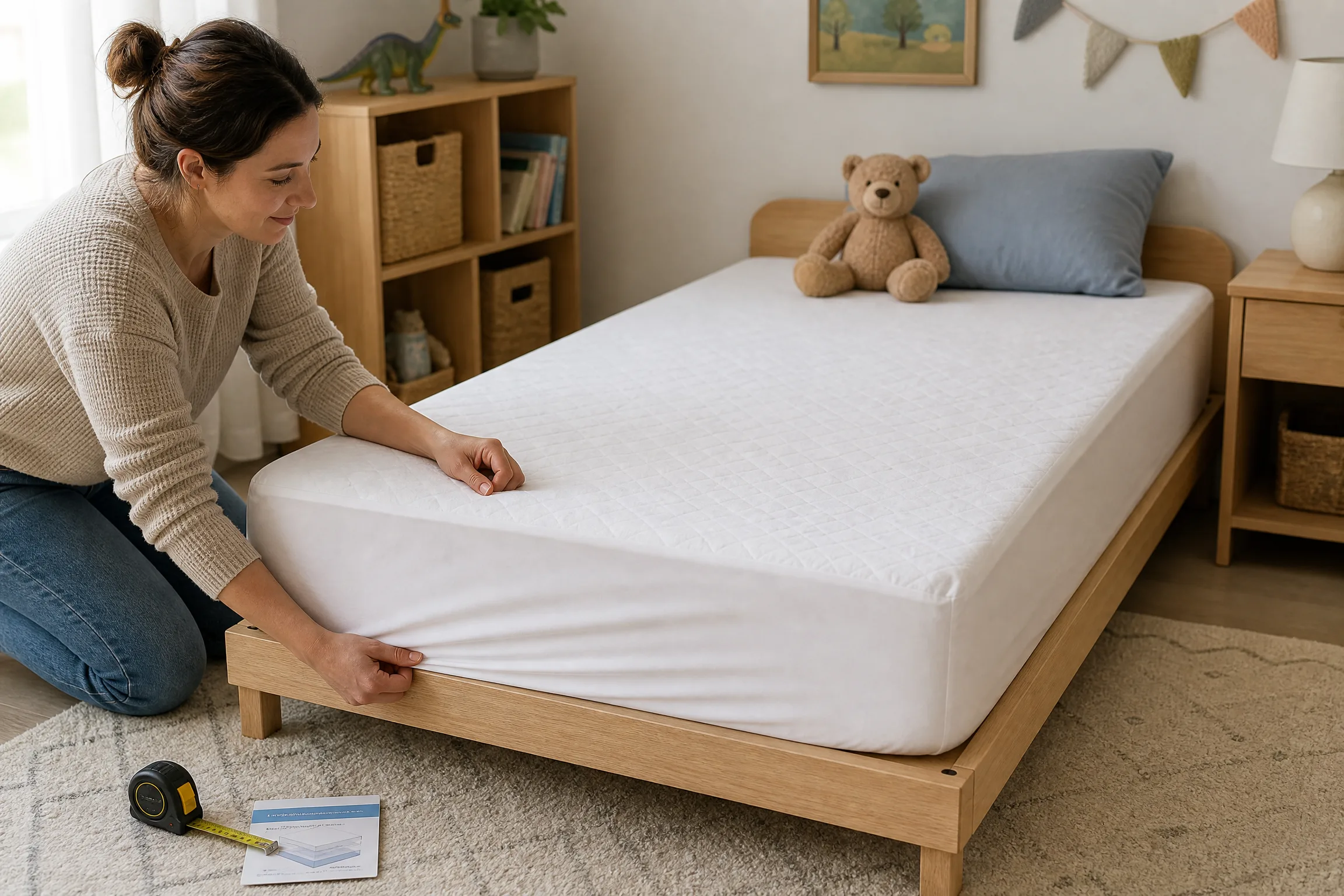
A twin bed for toddler boy or a twin bed for toddler girl does not need to follow a narrow theme. Choose a design your child enjoys now but will not quickly outgrow. Solid colors, simple finishes, removable decals, and washable bedding are easy to refresh.
Invite your child to choose between two or three parent-approved options, such as sheet colors or a reading cushion. This creates ownership without turning bedtime into an open-ended negotiation.
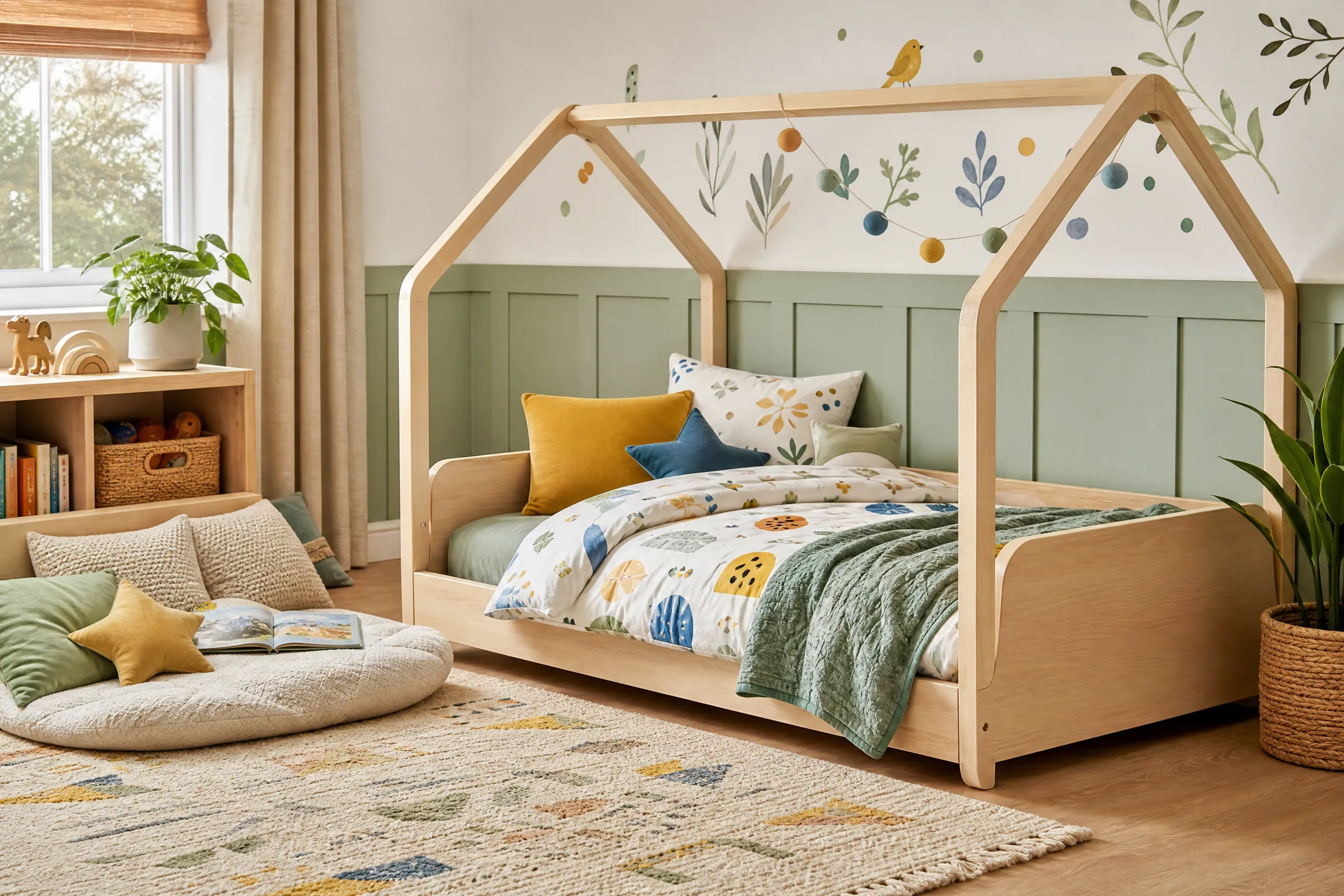
Fun childrens beds can still be practical. A low house-style frame, daybed with storage, or platform with a subtle headboard can add personality while preserving a clear path. Avoid accessories with loose cords, detachable small parts, or sharp decorative cutouts. For more inspiration, see these kids’ bedroom ceiling design ideas for small bedrooms and adapt the lighting or color ideas to your child’s sleep space.
Bed Rails, Bedding, and Nighttime Comfort Essentials
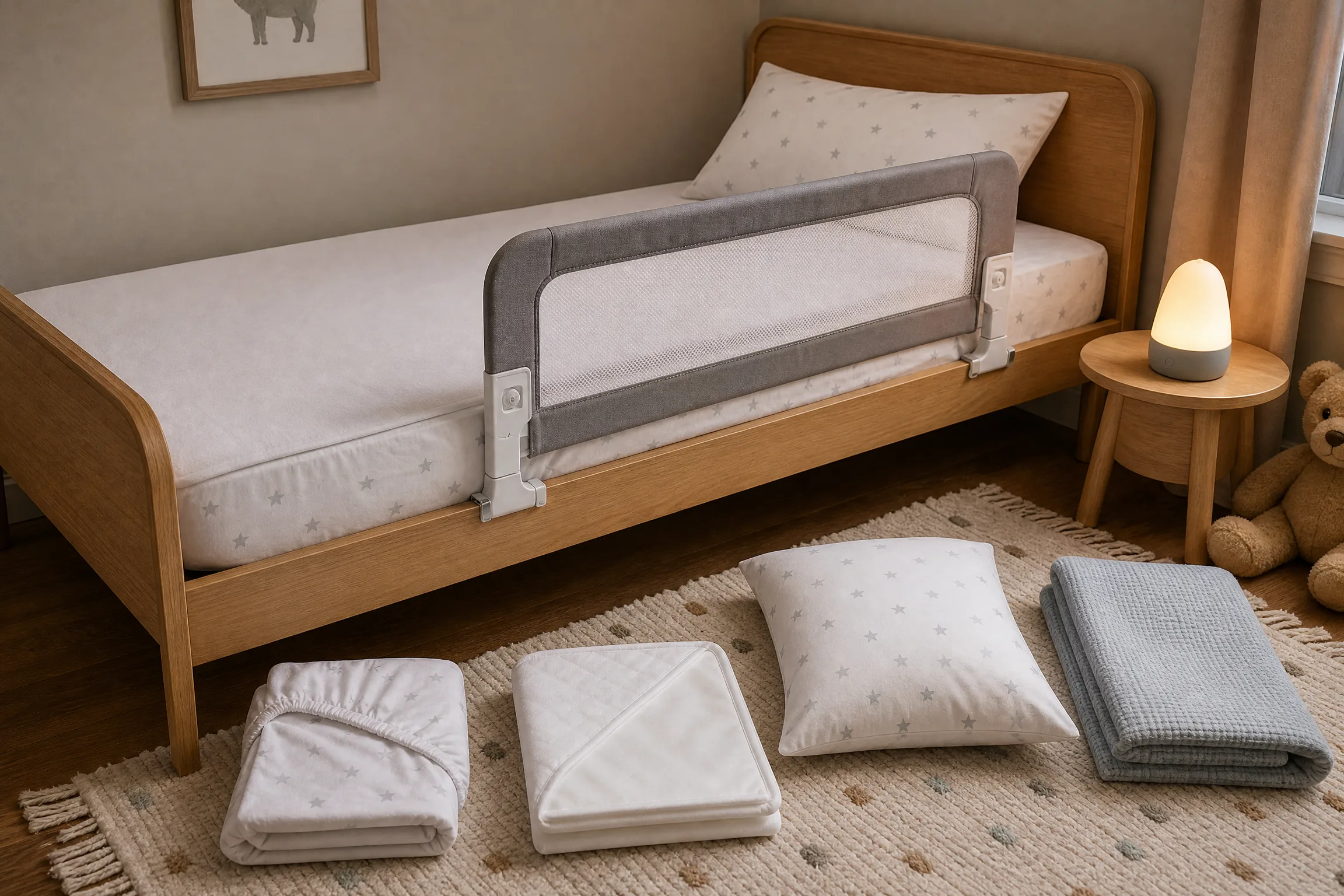
A rail can help during the adjustment period, particularly if your child moves a lot in sleep. Select one that fits the bed type, attaches securely, and leaves no unsafe gap between rail, mattress, and frame. Inspect it regularly and stop using it if it loosens or bends.
Keep bedding simple: a taut fitted sheet, a waterproof protector, and a light blanket or sleepwear suited to the room temperature. A small pillow may be appropriate for a child who is at least 2, but follow your pediatrician’s advice. Limit stuffed animals if they interfere with breathing or movement.
A dim, cool night-light can make the room feel less unfamiliar, but keep it away from bedding and curtains. Cozy fall bedroom ideas can inspire seasonal layers without overcrowding the sleep area.
Amazon product: Adjustable twin bed rail. See toddler bed rails on Amazon for foldable and adjustable models. Match the rail to the mattress thickness and frame construction, and never use a product that the manufacturer says is incompatible with your setup.
A Calm Transition Plan for the First Two Weeks
Prepare the room before the first night. Let your child visit the bed, read on it during the day, and practice climbing in and out while supervised. Keep the familiar routine—bath, pajamas, story, cuddle, and lights out—in the same order.
If your child gets up, respond calmly and briefly. The AAP recommends quietly returning the child to bed and praising staying in bed rather than rewarding nighttime escapes.1 Expect repetition; a consistent response is more effective than a long explanation at 2 a.m.
Celebrate progress in the morning with praise or a simple sticker chart. Practice the rule that getting out is for morning, bathroom needs, or an emergency. Add a stair gate if needed, and secure windows, cords, drawers, and furniture.
If sleep becomes persistently difficult, your child seems frightened, or you are unsure whether the room is safe, talk with your pediatrician. A transition plan should support your child—not pressure them to appear independent before they are ready.

The Best Twin Bed for Toddler Years Is Safe, Flexible, and Familiar
The best twin bed for toddler use is not necessarily the most expensive. It is stable, fits the mattress correctly, suits the room, supports independent access, and can adapt as your child grows. Start with readiness and safety, then choose a design that invites your child into the process.
A twin bed may serve through preschool and beyond, while a toddler bed can offer a lower bridge. Either can work when the sleep space is prepared thoughtfully and bedtime expectations remain consistent. For budget-conscious decorating, you can update sheets, wall art, and lighting rather than replacing the entire frame; these bedroom decorating ideas on a budget offer adaptable inspiration.
Before checkout, measure twice, review the instructions, inspect every component, and confirm the product is appropriate for your child’s age. Preparation can turn a milestone into a reassuring routine.
Parent note: This article is general educational information, not a substitute for advice from your child’s pediatrician. Always follow the bed, rail, mattress, and accessory manufacturers’ instructions.